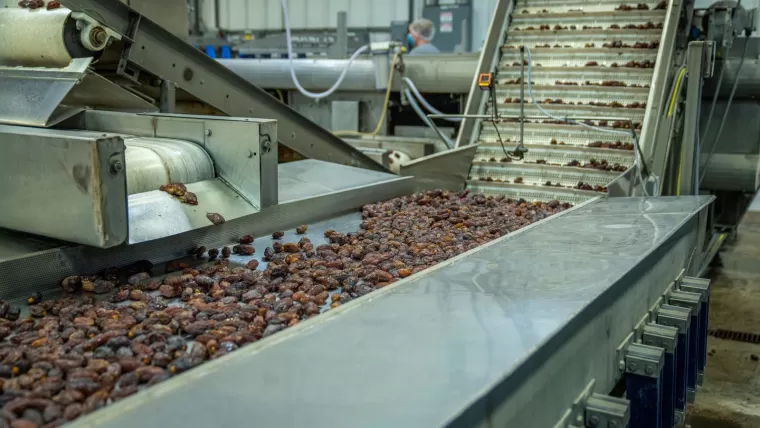
HalalHub.vn · In-depth Analysis · 22 October 2026
(HalalHub.vn) – Many businesses see obtaining Halal certification as crossing the finish line. In practice, domestic regulators and importing markets are shifting their focus to post-certification surveillance: ingredient changes require review, periodic assessments are based on risk, and violations can lead to certificate withdrawal. This article examines the life cycle of a Halal certificate and the most common compliance pitfalls for businesses.
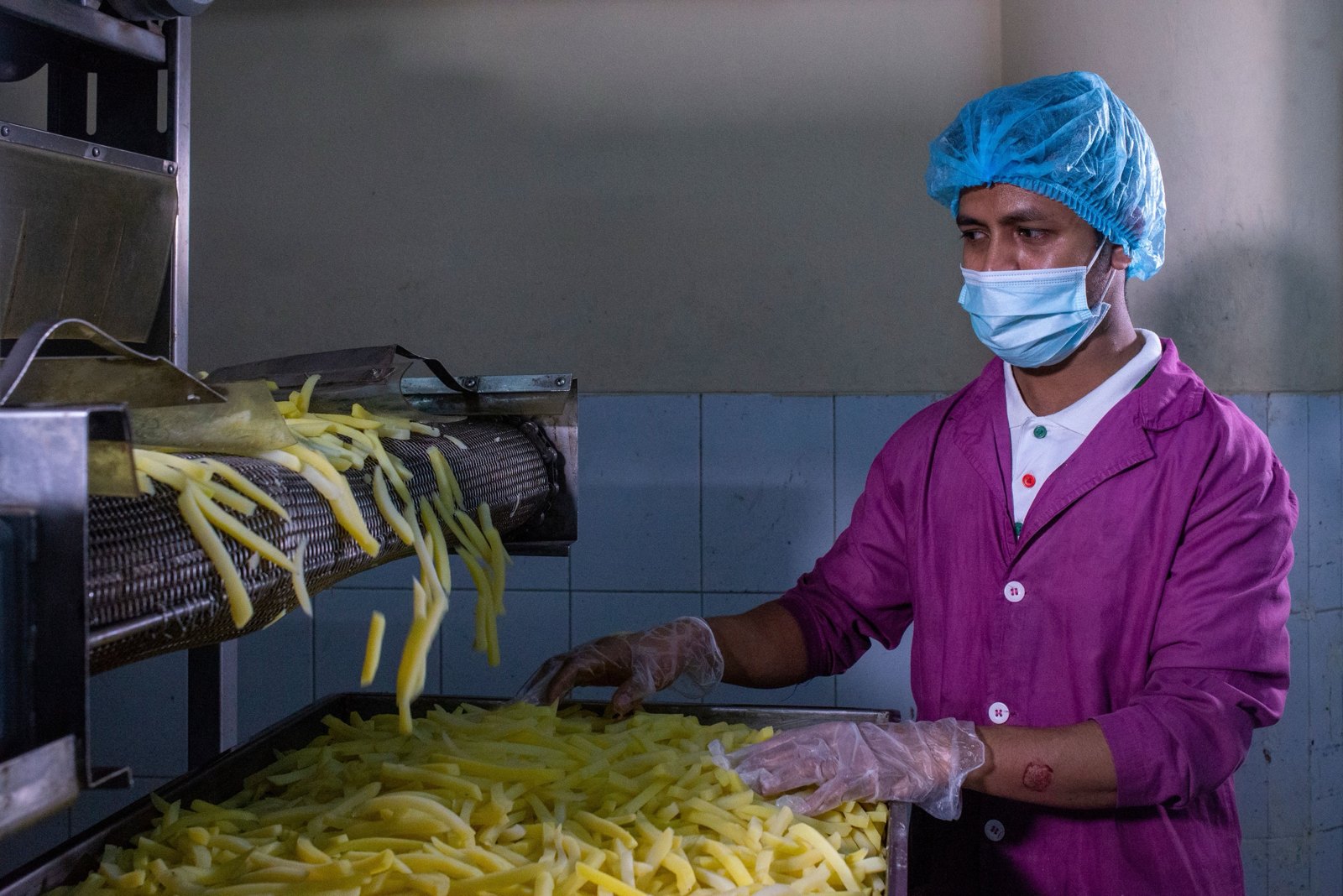
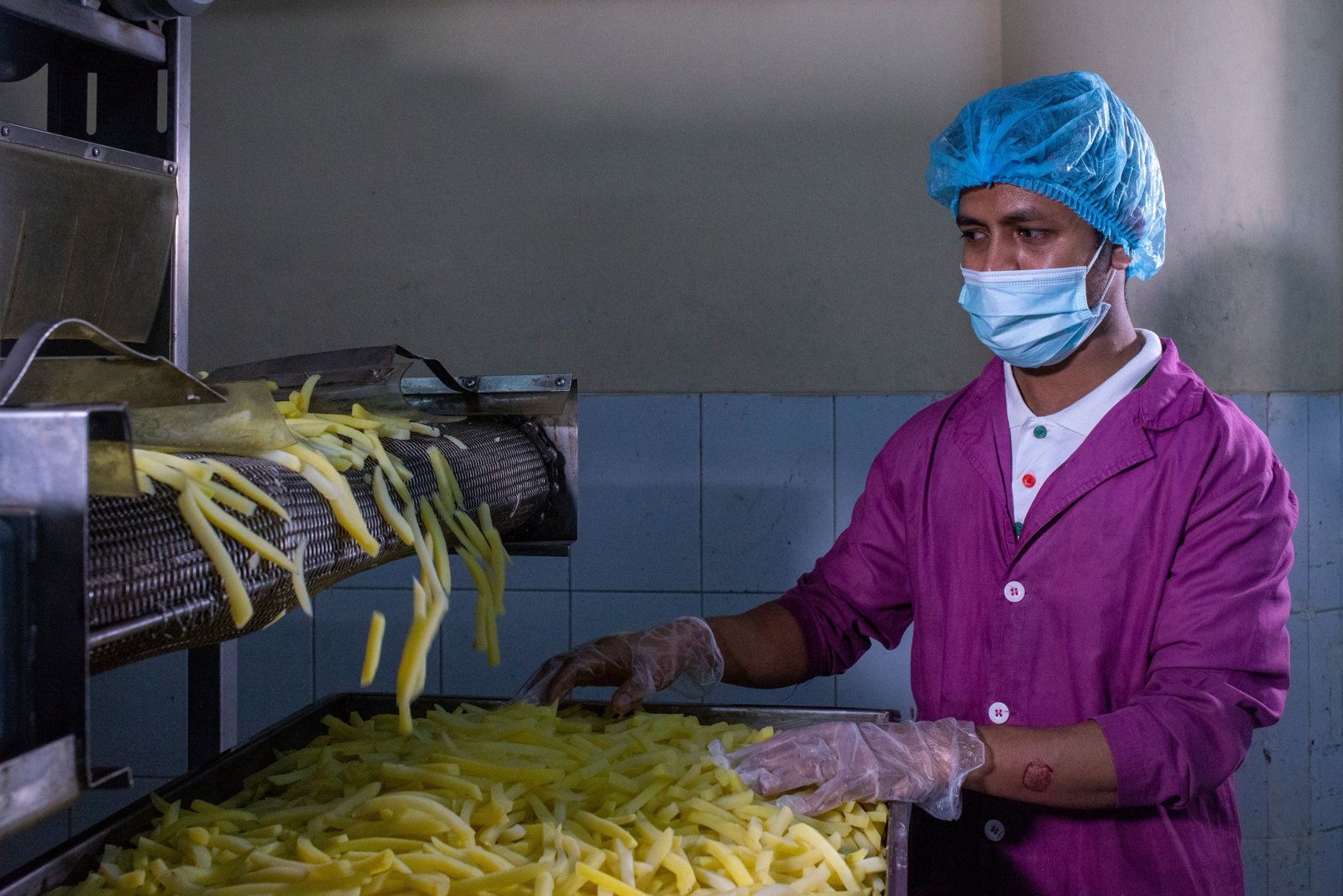
Maintaining Halal compliance is a daily factory responsibility, covering workwear, hygiene and controls over every production batch. Illustrative photo: Unsplash.
1. The broader trend: From issuing certificates to ongoing surveillance
In Vietnam, Decree 127/2026/ND-CP, effective from 1 June 2026, also regulates Halal inspections and sanctions for violations. At the implementation conference in Ho Chi Minh City on 21 October 2026, regulators emphasized maintaining requirements after certification, verifying suppliers and communicating the correct certification scope.
In Indonesia, according to a summary by CIRS Group, the country notified the WTO on 23 July 2026 of two draft BPJPH regulations: one on certificate renewal following changes to ingredients, processes or products, implementing Article 90 of Government Regulation PP 42/2024; and another on post-certification conformity maintenance assessments, implementing Article 56. The latter includes ingredient-use reporting, on-site or remote assessments, self-assessments, risk-based assessments and administrative sanctions. Notably, the renewal draft reportedly does not apply to certificates issued by foreign Halal bodies recognized by BPJPH.
In Malaysia, JAKIM certification has a defined validity period and must be renewed periodically. According to VASEP, renewal fees for certification from bodies such as JAKIM and MUI range from approximately USD 500 to USD 5,000 per facility per year.
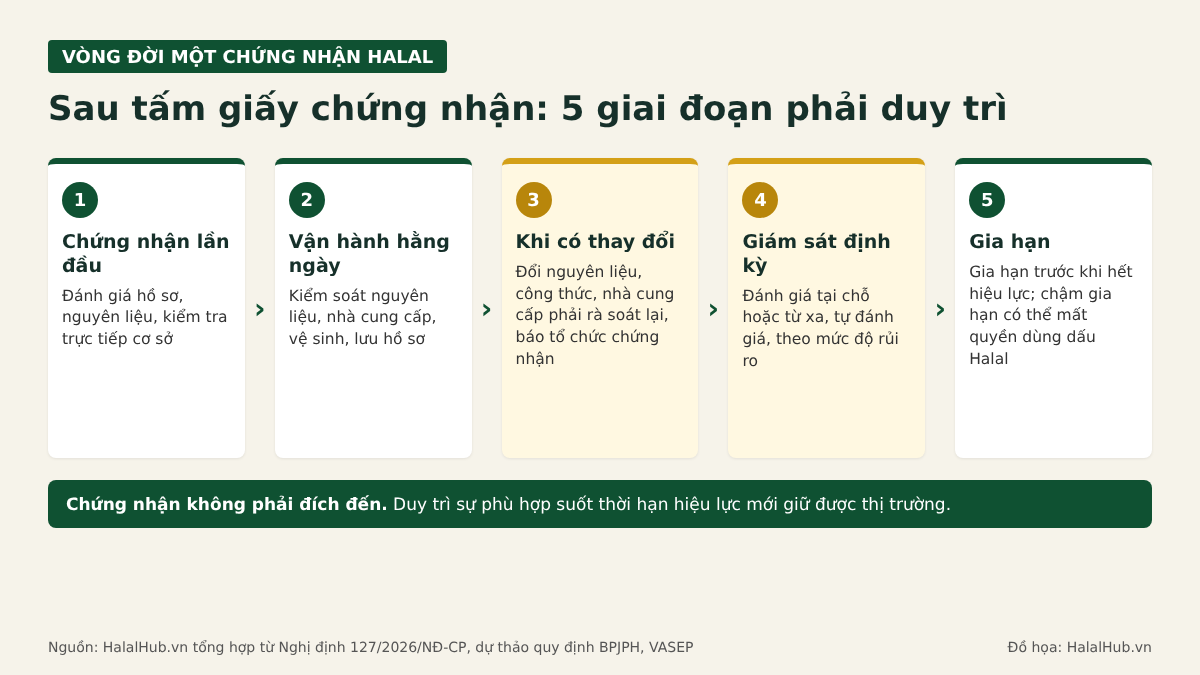
The life cycle of a Halal certificate. Graphic: HalalHub.vn.
2. Five common post-certification pitfalls
| Pitfall | Consequences and prevention |
| Changing an ingredient supplier without notification | New ingredients may lack Halal certification or may not be accepted by the certification body. Maintain an approved supplier list; all changes must pass through the Halal team. |
| Changing formulations or flavorings | New flavorings, emulsifiers or enzymes may contain non-Halal components. Review changes and notify the certification body before production. |
| Making Halal claims beyond the certified scope | Labeling uncertified products or production lines as Halal is a violation. Check labels, catalogs and websites against the scope stated on the certificate. |
| Sharing production lines or storage facilities | There is a risk of cross-contamination with non-Halal products. Maintain cleaning procedures, segregation and complete records. |
| Forgetting renewal | The certificate expires, and partners may reject shipments already in transit. Track expiry dates and submit renewal applications early. |
Source: Compiled by HalalHub.vn from general requirements across Halal certification systems.
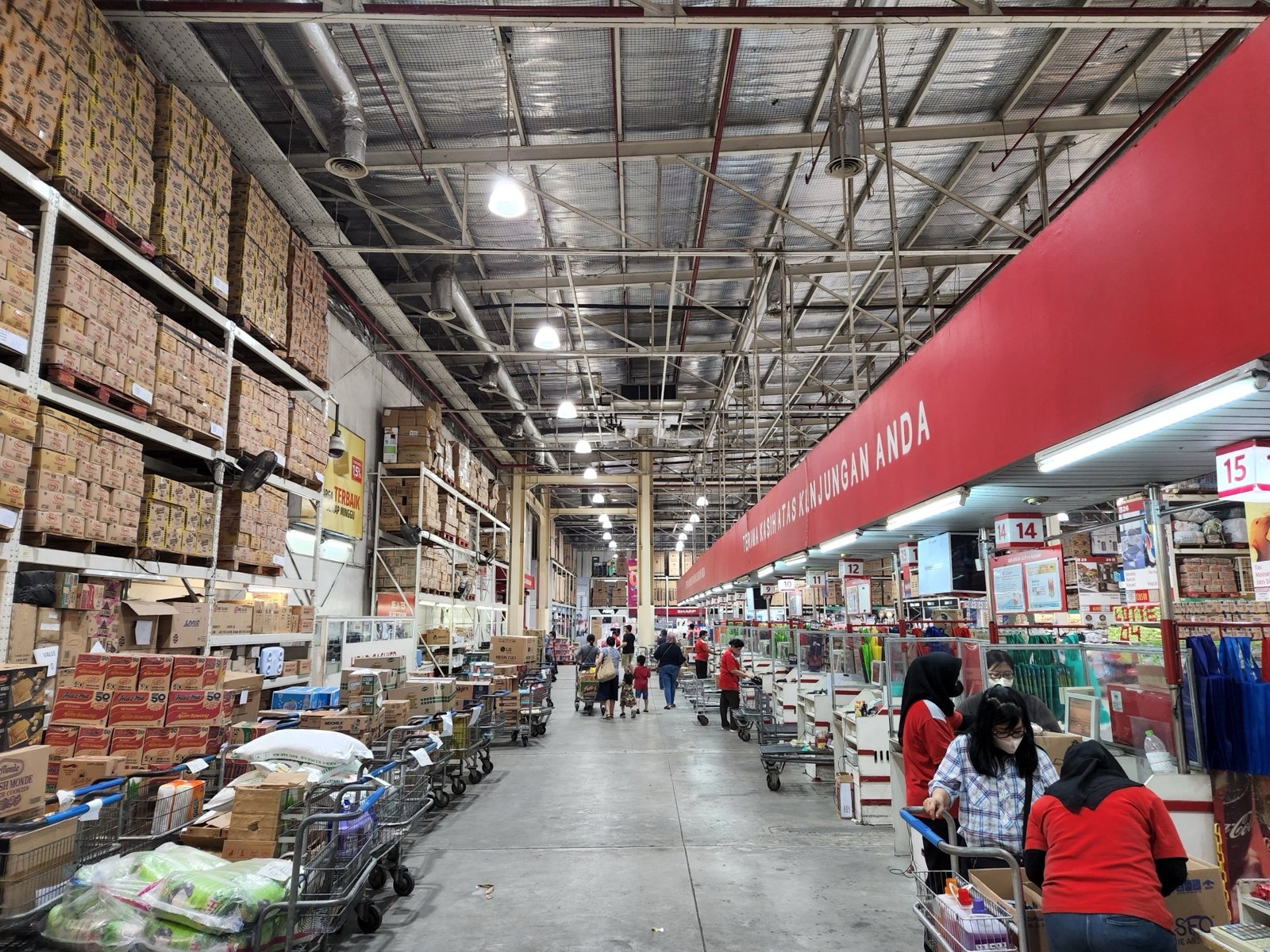
Goods stacked on pallet racks in a wholesale warehouse. Managing sources, suppliers and segregated storage is fundamental to maintaining Halal certification. Illustrative photo: Unsplash.
3. A Halal maintenance toolkit for businesses
Appoint a Halal officer with authority to approve all changes to ingredients, formulations and suppliers.
Maintain approved ingredient and supplier lists, together with each supplier’s valid Halal certificates.
Establish a change-management procedure: assess the Halal implications of every change and notify the certification body when necessary.
Conduct periodic internal assessments, for example every six months, and retain records to prepare for surveillance assessments.
Retrain personnel when new staff join or new procedures are introduced.
Maintain a calendar tracking the validity of the company’s own certificates and those of its suppliers.
| ⚠️ NOTE The Indonesian draft regulations mentioned above are not yet final legal instruments, and the mandatory Halal timeline for imported goods has recently been postponed to October 2028. Nevertheless, the direction toward post-certification surveillance is clear. Businesses that build maintenance systems now will be better prepared when the regulations take effect. |
4. Conclusion
The value of Halal certification lies in trust, and trust can be preserved only when businesses maintain conformity every day. With a new domestic legal framework and tighter surveillance in importing markets, investing in a Halal maintenance system is the least costly way to avoid paying the price of a rejected shipment or a withdrawn certificate.
Glossary
Post-certification surveillance: periodic or unannounced assessments to ensure that a business continues to meet Halal requirements throughout the certificate’s validity period.
Risk-based assessment: adjusting the frequency and intensity of inspections according to the risk posed by a product and business.
WTO TBT: notification of draft technical regulations to the World Trade Organization under the Agreement on Technical Barriers to Trade.
PP 42/2024: an Indonesian Government regulation implementing the Halal Product Assurance Law.
BPJPH / JAKIM / MUI: Indonesia’s Halal agency / Malaysia’s Halal authority / the Indonesian Ulema Council.
Cross-contamination: contact between Halal products and non-Halal ingredients or surfaces.
References
Legal texts and official sources
WTO – Indonesia TBT notifications G/TBT/N/IDN/188 and G/TBT/N/IDN/189, dated 23 July 2026; available at https://epingalert.org
Press and industry analysis (secondary sources, cited as published)
TCVN – Standardizing supply chains: The key to Vietnamese businesses entering Halal markets
Industry and Trade Magazine – Indonesia postpones the mandatory Halal certification deadline
Photos: Unsplash (Unsplash License). Graphic: HalalHub.vn.
HalalHub.vn · Published on 22 October 2026 · Legal information checked as of 22 October 2026; regulations may change. Please consult official sources before making decisions.
| ℹ️ ABOUT HALALHUB.VN’S INDEPENDENCE HalalHub.vn is a platform for connections and information. HalalHub.vn is not a Halal certification body and does not issue Halal certificates. Halal certification is issued by certification bodies recognized by the competent authorities of the importing country (for example, BPJPH in Indonesia and bodies recognized by JAKIM in Malaysia). This article is for reference and does not replace legal advice. |
HalalHub.vn service information
| 🤝 CONNECT WITH HALALHUB.VN Businesses already holding Halal certification: register as members and create company profiles in the HalalHub.vn directory, stating the issuing body, scope and validity so partners can evaluate them easily. Businesses not yet certified: follow HalalHub.vn’s News and Knowledge sections for regulatory updates and market-specific certification roadmaps. Register at: https://halalhub.vn |