1. The paradox: a large market, few businesses taking part
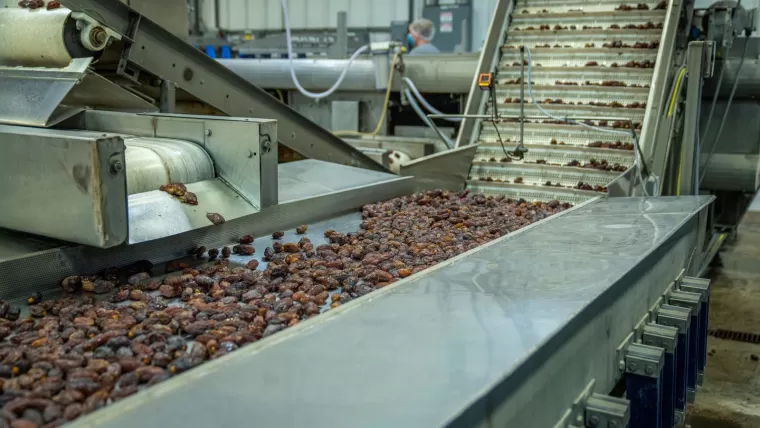
According to Vietnam Financial Times, Vietnam’s Halal exports amount to only about USD 900 million a year, mostly raw farm and seafood products, less than 1% of the global market. Between 2024 and 2026, only around 1,000–1,300 businesses obtained or maintained Halal certification, out of more than 900,000 active businesses. A seminar reported by VnBusiness (May 2026) estimated that Vietnamese firms lose 10–15% of added value on every shipment to Muslim markets for lack of certification.
The policy is clear: the scheme under Decision 10/QD-TTg makes trade promotion for Halal products an annual task, and Decree 127/2026/ND-CP includes a set of market development support policies. But policy only opens the door. Walking through it is up to each business.
2. Why do post-conference connections “fall away” so easily?
Experience at trade promotion events points to three common causes:
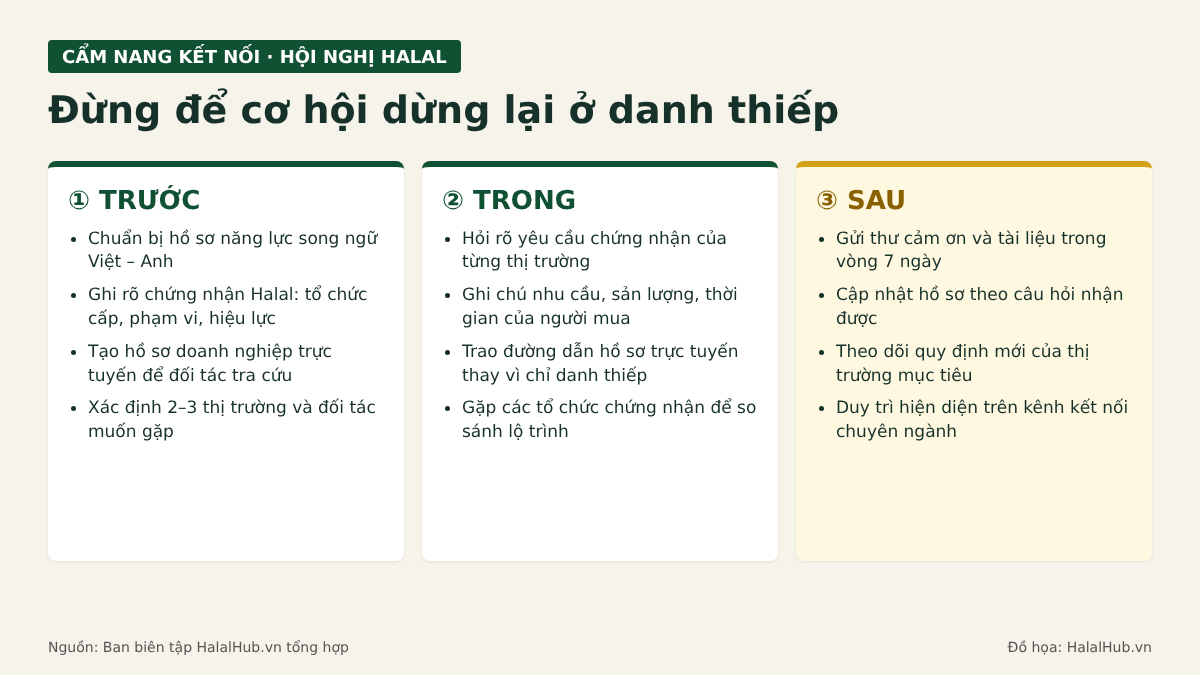
- Not enough information for buyers to verify for themselves. Importers need to know which body issued the certificate, whether their country recognises it, the product scope and the validity period. Business cards and leaflets usually do not carry this information.
- No contact person following up after the event. A reply that arrives a few weeks late often means the buyer has already moved on to another supplier.
- Rules change quickly. A product that qualified yesterday may need extra procedures today, as when Indonesia introduced pre-shipment Halal inspection of every shipment in September 2026, then announced its repeal just over a month later.
3. What do Halal buyers need to see from a supplier?
| Information | Why it matters |
|---|---|
| Halal certification body | Buyers only accept bodies recognised by the importing country (JAKIM, BPJPH, MoIAT, SFDA…) |
| Certificate number, product scope, validity | To check that the certificate is valid and covers the products being offered |
| Production capacity, minimum volumes | To assess the ability to fulfil long-term orders |
| Export documents (C/O, test reports, labelling) | To use FTA preferences and clear customs smoothly |
| Contact person, working language | For quick communication, so the connection does not break after the event |
Source: HalalHub.vn, compiled from common requirements of importers in Halal markets.
4. A “digital meeting point”: keeping connections alive after the conference
If the conference is the physical “meeting point”, businesses also need a “digital meeting point”: a place where partners can look up their profile, check their certification and get back in touch after the event ends. A good online profile needs:
- Complete, verifiable certification information: issuing body, certificate number, scope, expiry date and a scanned copy.
- A bilingual product catalogue in Vietnamese and English, with specifications, volumes and markets already exported to.
- A named contact person with a committed response time.
- Regular updates, especially when a certificate is renewed or its scope is extended.
⚠️ NOTE
Do not state “Halal certified” when the certificate has expired, or when it was issued by a body the target market does not recognise. With professional buyers, one piece of false information can destroy credibility for good, which is exactly what connection platforms and businesses alike must avoid.
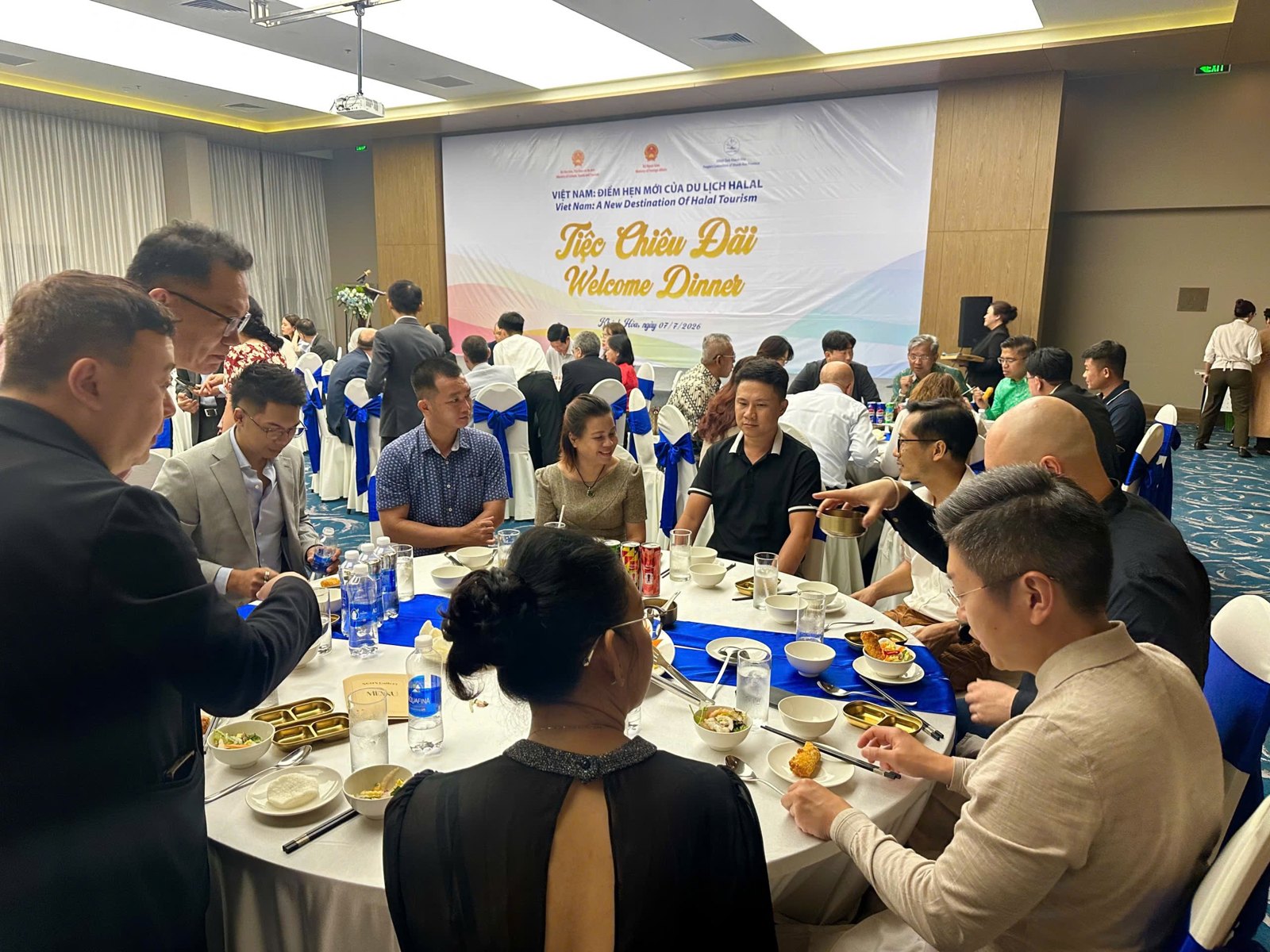
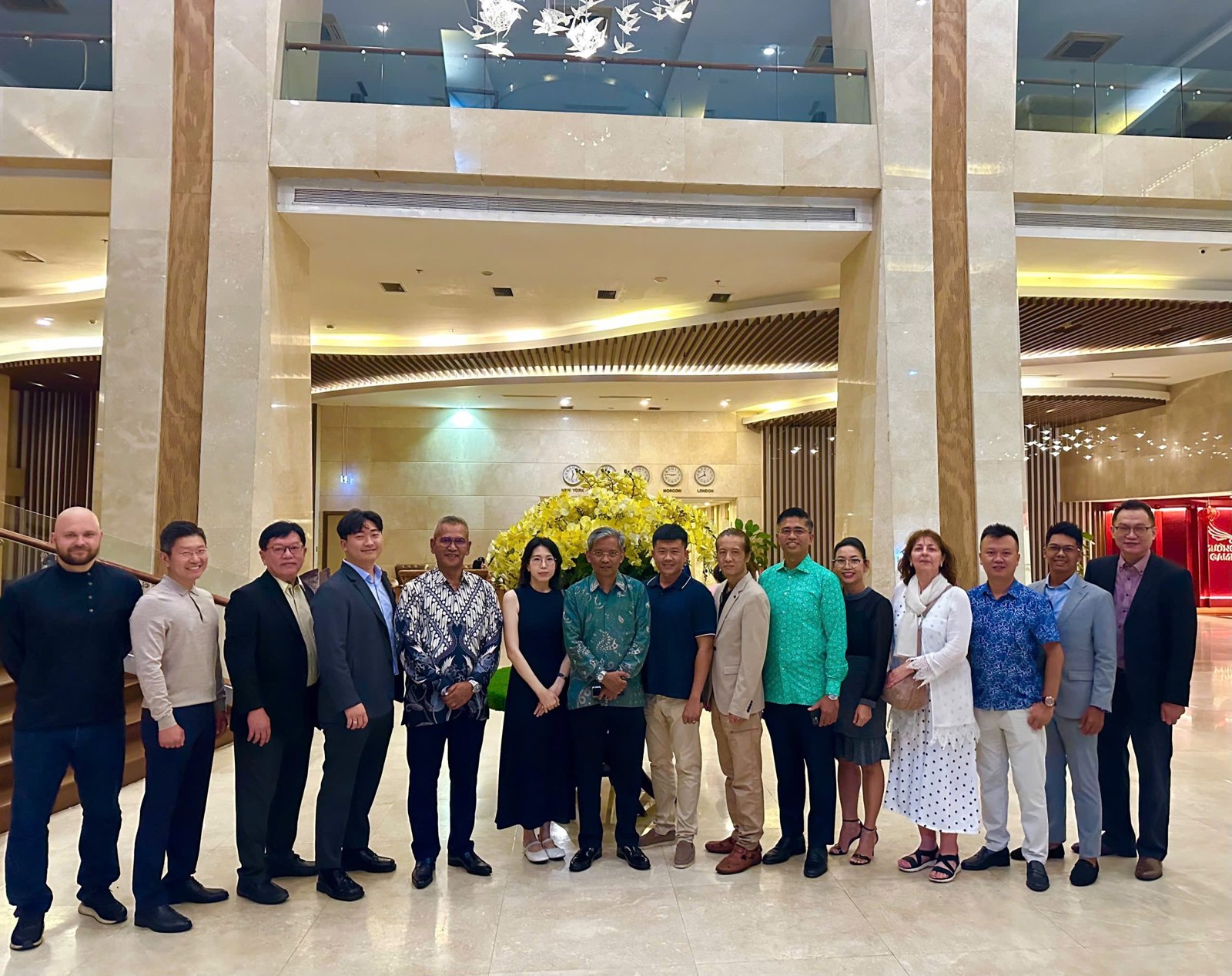
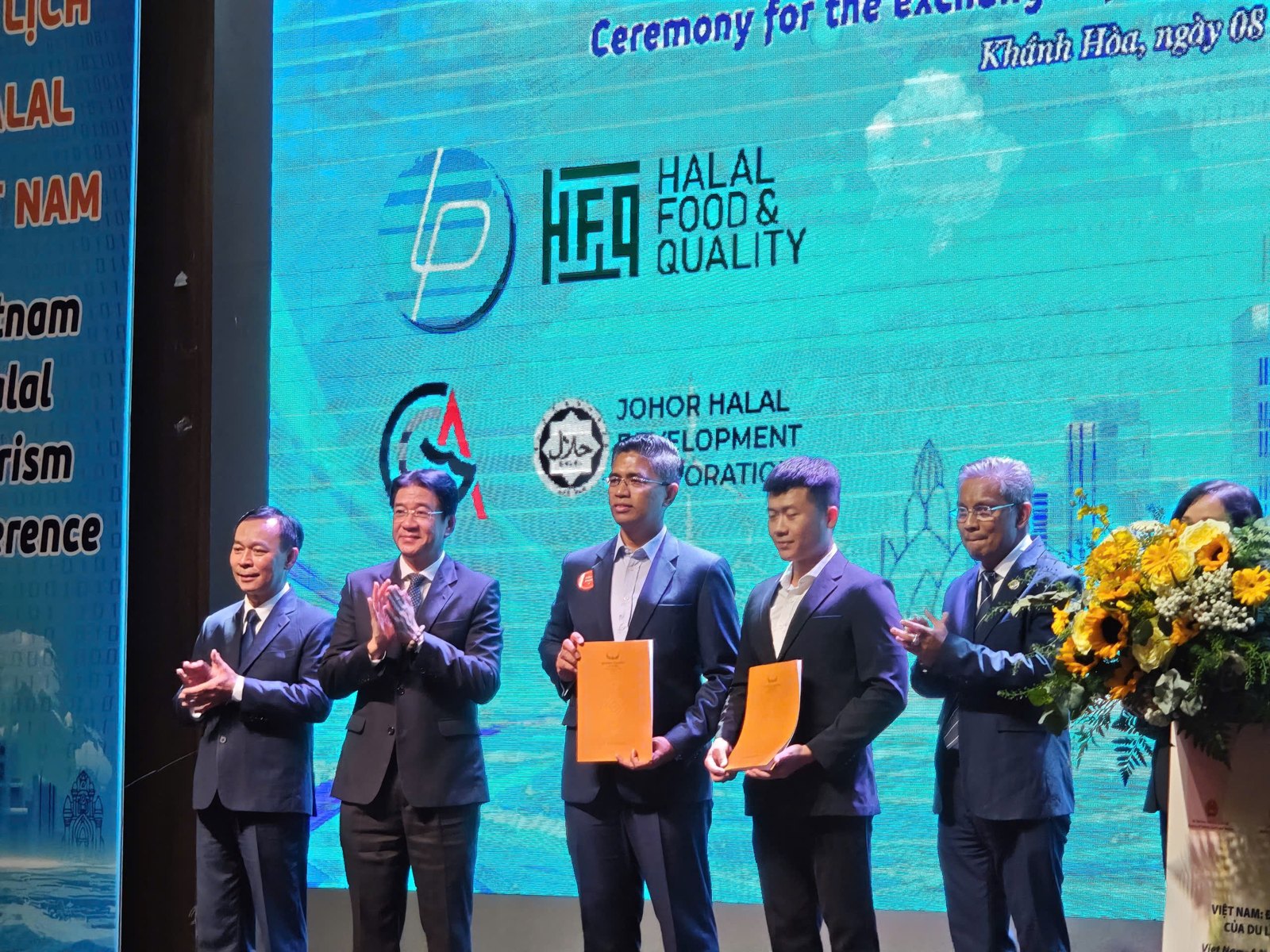
This spirit of “connecting after the conference” is also how HalalHub Vietnam takes part in Halal forums. HalalHub Vietnam CEO Nguyen Quoc Truong Phuc attended the conference “Vietnam: a new destination for Halal tourism” in Khanh Hoa on 8 July 2026, where domestic and international Halal organisations exchanged cooperation documents.
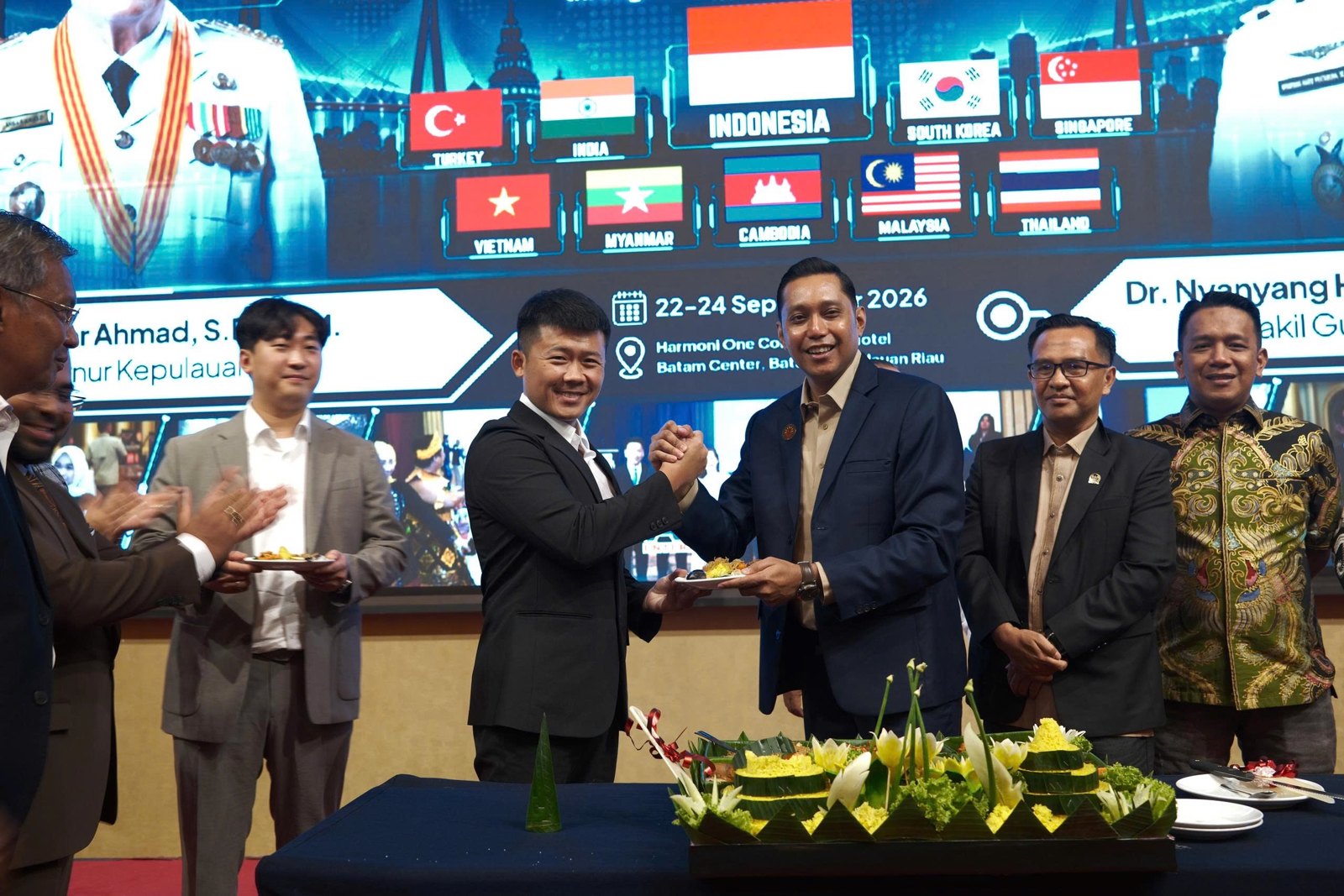
Connections do not stop at home. At the Kepri International Business Forum 2026, held on 22–24 September 2026 in Batam, Kepulauan Riau province (Indonesia), representatives of Halal Hub Vietnam (HHV) met and exchanged courtesies with Mr Riki Rionaldi, Head of the Kepulauan Riau Provincial Department of Cooperatives and Small and Medium Enterprises. At the same forum, HHV signed a Memorandum of Understanding (MoU) with Lembaga Inkubator Bisnis Merah Putih Kepulauan Riau to promote trade in Halal goods between Vietnam and Indonesia. As Indonesia keeps adjusting its mandatory Halal certification timeline, direct channels with local regulators and business communities help Vietnamese firms better understand market requirements.
5. Conclusion
Conferences create the chance to meet; preparation and persistent follow-up create the orders. Businesses that come to Nha Trang with transparent records, a clear contact person and a post-event follow-up plan will be the ones who turn the policy of developing the Halal industry into concrete business results.
Glossary
- Importer: a business that buys goods from abroad to distribute in its own market.
- Certification scope: the list of products and production sites covered by a Halal certificate.
- C/O (Certificate of Origin): a document used to claim tariff preferences under an FTA.
- JAKIM / BPJPH / MoIAT / SFDA: the Halal regulators of Malaysia / Indonesia / the UAE / Saudi Arabia.
- Pre-shipment inspection: Indonesia’s rule (BPJPH Regulation No. 4/2026) requiring Halal inspection of every shipment in the exporting country; on 17 October 2026, the Indonesian government announced it would repeal this rule.
References
Legal texts and official sources
- Prime Minister – Decision No. 10/QD-TTg of 14 February 2023 approving the scheme “Strengthening international cooperation to build and develop Vietnam’s Halal industry to 2030” (available at https://vanban.chinhphu.vn) (Vietnamese)
- Government – Decree 127/2026/ND-CP on quality management and development policies for Halal products and services (full text at Thu vien Phap luat) (Vietnamese)
- TCVN – New Halal policies supporting market development take effect from 1 June 2026 (Vietnamese)
- ANTARA (South Kalimantan) – Pemerintah perpanjang wajib halal 2026 jadi 2028 (Indonesian)
- CNBC Indonesia – Wajib Sertifikat Halal Mundur ke 2028, Pemerintah Ungkap Alasannya (Indonesian)
Press and industry analysis (secondary sources, cited as published)
- Vietnam Financial Times – Expanding export room in the Halal market (Vietnamese)
- VnBusiness – Vietnamese businesses at the Halal “golden door”: going far means solving the trust problem (Vietnamese)
- VietnamPlus – Strengthening international cooperation to develop Vietnam’s Halal industry (Vietnamese)
- ChemLinked – Indonesia to Mandate Pre-Shipment Halal Conformity Checks for Imported Foods
Photos: HalalHub.vn archive. Graphics: HalalHub.vn.
HalalHub.vn · Published 18 October 2026 · Legal information checked as of 18 October 2026; regulations may change, so please check official sources before making decisions.
ℹ️ ABOUT HALALHUB.VN’S INDEPENDENCE
HalalHub.vn is a connection and information platform. HalalHub.vn is not a Halal certification body and does not issue Halal certificates. Halal certificates are issued by certification bodies recognised by the competent authority of the importing country (for example, BPJPH in Indonesia, or bodies recognised by JAKIM in Malaysia). This article is for reference only and does not replace legal advice.
HalalHub.vn services
🤝 CONNECT WITH HALALHUB.VN
Businesses with Halal certification: sign up as a member and create a company profile in the HalalHub.vn directory, stating the issuing body, scope and validity of your certificate so partners can assess it easily.
Businesses without certification: follow the News and Knowledge sections of HalalHub.vn for updates on regulations and certification roadmaps for each market.
Register at: https://halalhub.vn