HalalHub.vn · In-depth analysis · 30 October 2026
(HalalHub.vn) – Vietnamese businesses often associate Halal with food. Yet Muslim consumers spend over USD200 billion annually on cosmetics and pharmaceuticals, while major importing countries are bringing these sectors into mandatory Halal timelines. This article examines market size, regulatory schedules, high-risk ingredients and preparation steps for businesses.
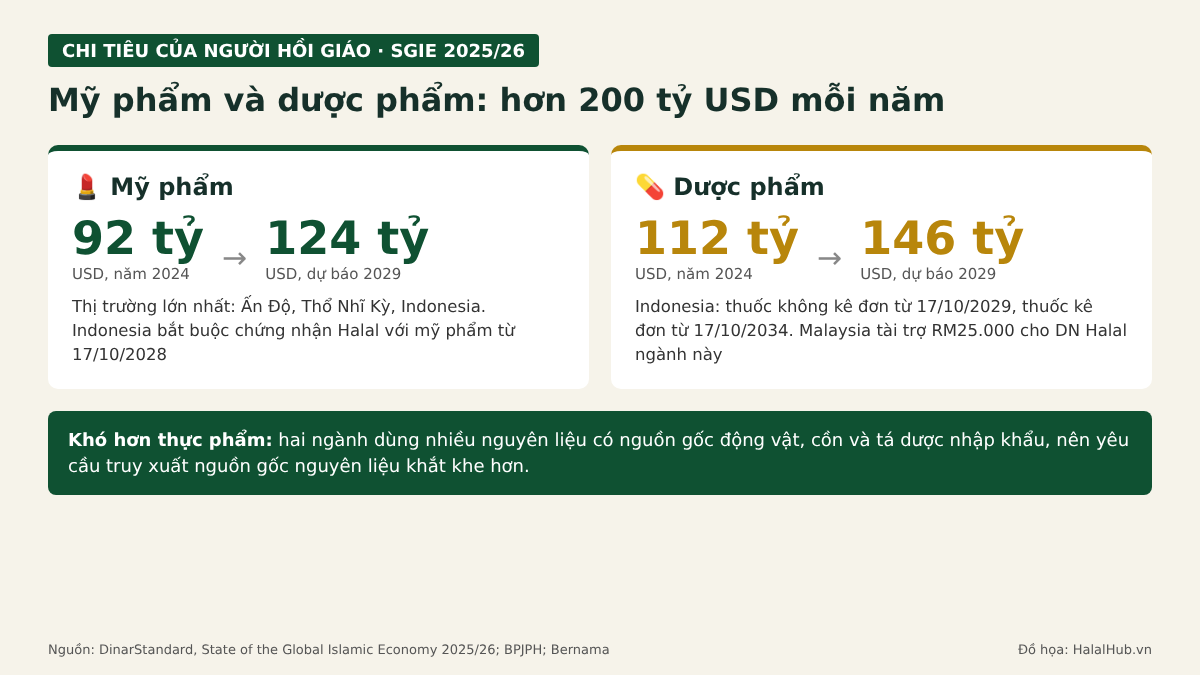
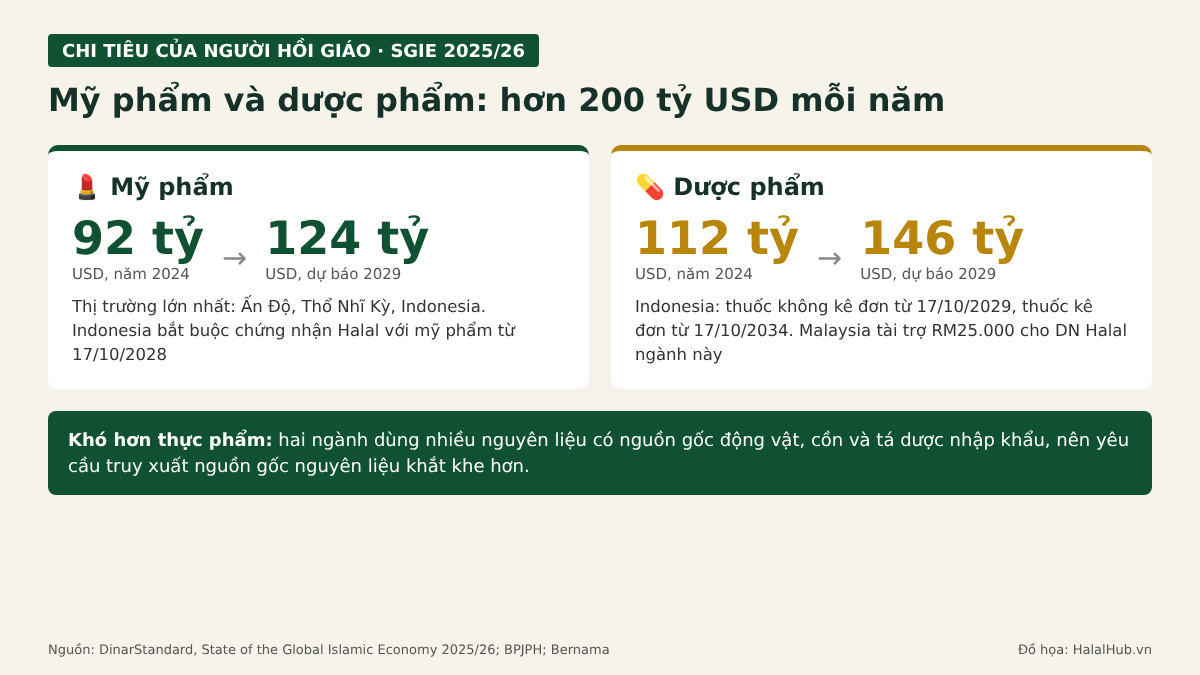
Muslim consumer spending on cosmetics and pharmaceuticals. Graphic: HalalHub.vn, based on DinarStandard’s State of the Global Islamic Economy 2025/26 report.
1. Scale: Larger than many businesses expect
According to DinarStandard’s State of the Global Islamic Economy 2025/26 report, Muslim spending on cosmetics reached approximately USD92 billion in 2024, up 5.8% year on year, and is projected to reach USD124 billion in 2029. Pharmaceutical spending reached around USD112 billion and is forecast at USD146 billion in 2029. The three largest Muslim cosmetics markets are India, Türkiye and Indonesia.
Note that these figures represent Muslim consumers’ spending across both sectors, rather than the market size of Halal-certified products. Other research firms report a much smaller “Halal cosmetics” market because they count only certified products. The gap between these figures indicates room for certified offerings.
2. Regulations are gradually tightening
| Market | Key developments |
| Indonesia | Under PP 40/2026, cosmetics, herbal medicines and health supplements require certification from 17 October 2028; over-the-counter medicines from 17 October 2029; prescription medicines, excluding psychotropic medicines, from 17 October 2034. In June 2026, Indonesia notified the WTO of draft Halal assurance system guidelines for cosmetics (G/TBT/N/IDN/187). |
| Malaysia | Separate standards apply to Islamic consumer goods and cosmetics (MS 2200-1) and Halal pharmaceuticals (MS 2424). Budget 2027 provides RM25,000 grants for Halal cosmetics and pharmaceutical businesses. |
| Gulf region | The GSO 2055 standards framework and certification by recognized bodies apply; businesses should check product-specific requirements with the importing country’s regulator. |
| Vietnam | Decree 127/2026/ND-CP took effect on 1 June 2026. Halal certification is voluntary; key exporting enterprises receive one-time support for testing and certification costs. |
Source: HalalHub.vn, compiled from BPJPH, CIRS, the Department of Standards Malaysia, Bernama and Decree 127/2026/ND-CP.
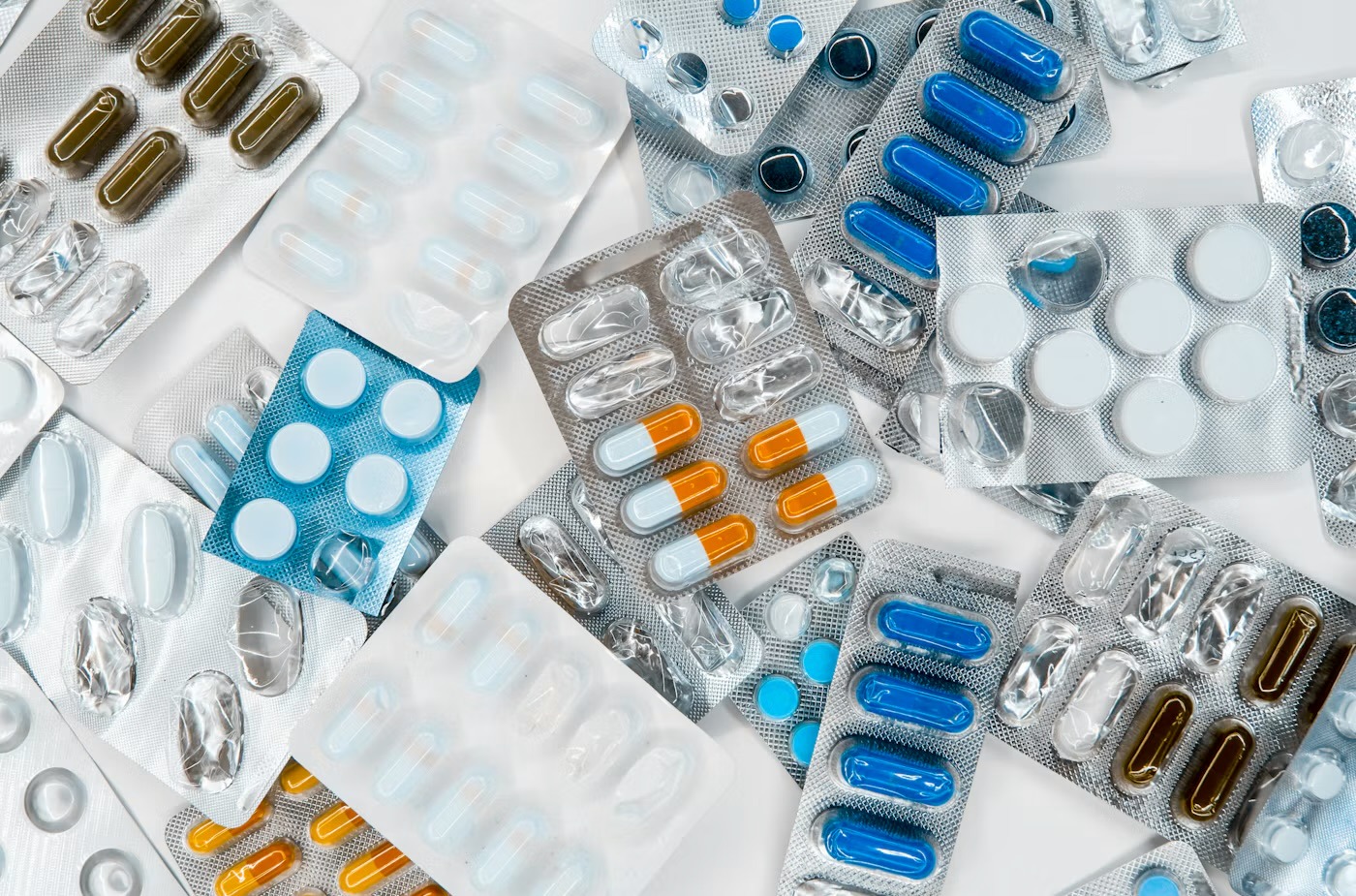
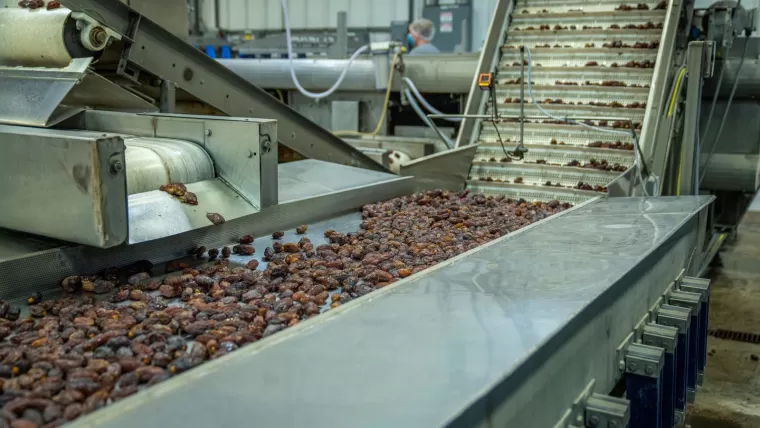
Indonesia brings over-the-counter medicines into mandatory Halal certification from 2029 and prescription medicines from 2034. Illustrative photo: Unsplash.
3. What makes these sectors more complex than food?
A cosmetic product or medicine may contain dozens of ingredients, many imported through multiple supplier tiers. Risks may arise not from the main ingredient but from excipients, emulsifiers, flavorings and capsule shells. Experts also caution that GMP, ISO or HACCP compliance does not automatically satisfy Halal requirements.
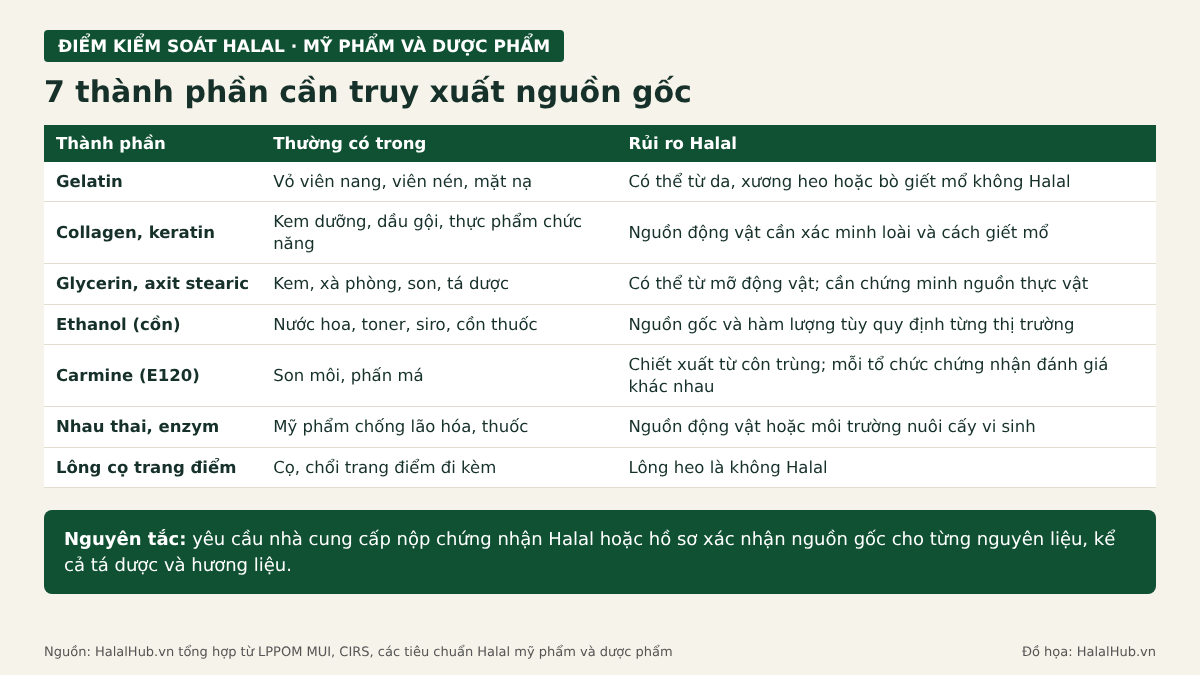
Seven common ingredients requiring origin traceability in Halal certification for cosmetics and pharmaceuticals. Graphic: HalalHub.vn.
| 🔬 THREE SECTOR-SPECIFIC REQUIREMENTS Ingredient origins: every animal-derived component must have evidence of species and slaughter method; microbial ingredients require evidence of their culture media. Production segregation: lines, equipment and storage must avoid cross-contamination with non-Halal ingredients. Packaging and accessories: makeup brushes, capsule shells and equipment lubricants are also within the assessment scope. |
4. Where should Vietnamese businesses start?
Prepare a bill of materials for each product, marking ingredients of animal, alcohol and microbial origin.
Require suppliers to provide Halal certification or origin documentation for every ingredient, including excipients and flavorings.
Replace high-risk ingredients where appropriate: use plant-based HPMC capsule shells, vegetable glycerin and synthetic coloring instead of carmine.
Select a certification body according to the destination: Indonesia requires a BPJPH recognition agreement; Malaysia requires a JAKIM-recognized body; Gulf markets require acceptance by the importing country’s authority.
Use support available under Decree 127/2026 if eligible as a key exporting enterprise.
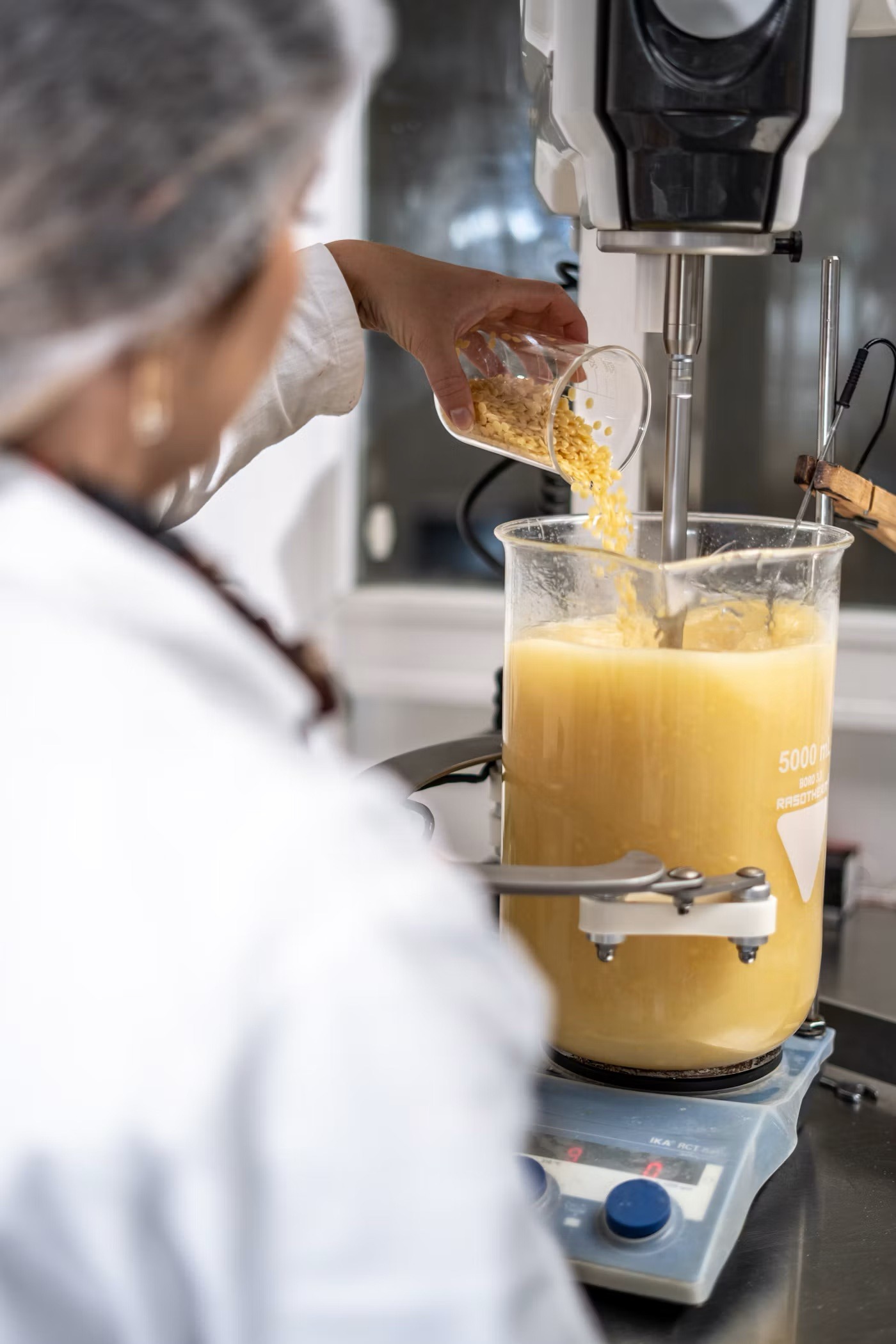
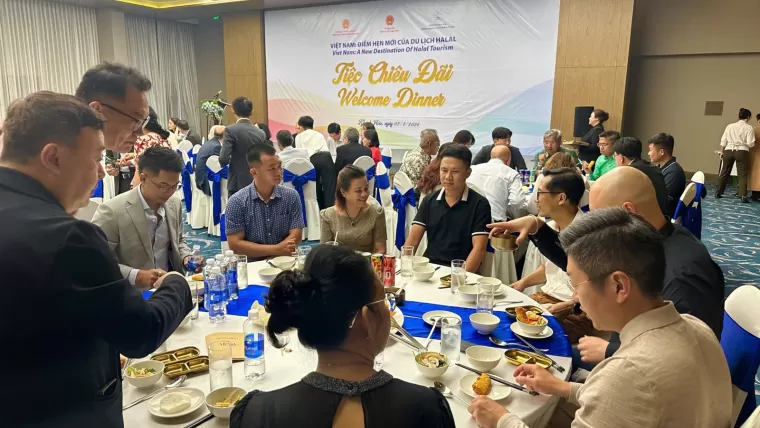
Reviewing formulations and ingredient origins is the first step in preparing Halal certification for cosmetics. Illustrative photo: Unsplash.
5. Conclusion
Cosmetics and pharmaceuticals represent a second Halal opportunity, with less competition than food but stricter ingredient management requirements. With Indonesia’s 2028 deadline and Malaysia’s support for its own businesses, the next two to three years will determine whether Vietnamese businesses can establish a foothold in this segment.
Glossary
SGIE (State of the Global Islamic Economy): DinarStandard’s annual report on the global Islamic economy.
Excipient: a substance without a therapeutic effect used for formulation, preservation or drug absorption.
HPMC: hydroxypropyl methylcellulose, a plant-derived capsule-shell material used as an alternative to gelatin.
Carmine (E120): a red colorant extracted from cochineal insects.
MS 2200-1 / MS 2424: Malaysian standards for Islamic consumer goods (cosmetics) and Halal pharmaceuticals.
WTO TBT: the World Trade Organization’s notification mechanism for technical barriers to trade.
References
Legal texts and official sources
BPJPH – Penyesuaian Penahapan Kewajiban Sertifikasi Halal Diatur dalam PP 40 Tahun 2026
Press and industry analysis (secondary sources, cited as published)
Salaam Gateway – SGIE Report 2026: Values-driven approach rewires halal cosmetics space
Salaam Gateway – Halal Cosmetics Sector Snapshot - SGIE 2025/26
Bernama – Budget 2027 Strengthens MSMEs’ Competitiveness In Halal Industry
VnExpress – Halal businesses receive support for certification costs and trade promotion
Illustrative photos: Unsplash (Unsplash License). Graphics: HalalHub.vn.
HalalHub.vn · Published on 30 October 2026 · Legal information checked as of 30 October 2026; regulations may change. Consult official sources before making decisions.
| ℹ️ ABOUT HALALHUB.VN’S INDEPENDENCE HalalHub.vn is a platform for connections and information. HalalHub.vn is not a Halal certification body and does not issue Halal certificates. Halal certificates are issued by bodies recognized by the competent authority in the importing country (for example, BPJPH in Indonesia and bodies recognized by JAKIM in Malaysia). This article is for reference and does not replace legal advice. |
HalalHub.vn service information
| 🤝 CONNECT WITH HALALHUB.VN Already Halal-certified: register and create a business profile in the HalalHub.vn directory, specifying the issuing body, scope and validity of your certificate so partners can assess it. Not yet certified: follow HalalHub.vn’s News and Knowledge sections for regulatory updates and certification roadmaps for each market. Register at: https://halalhub.vn |