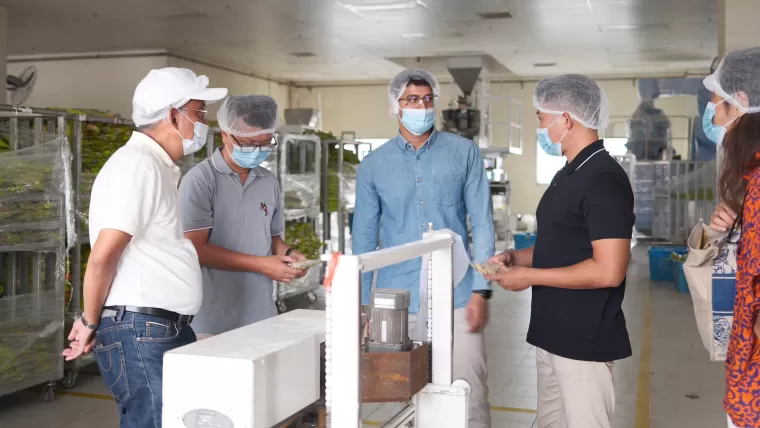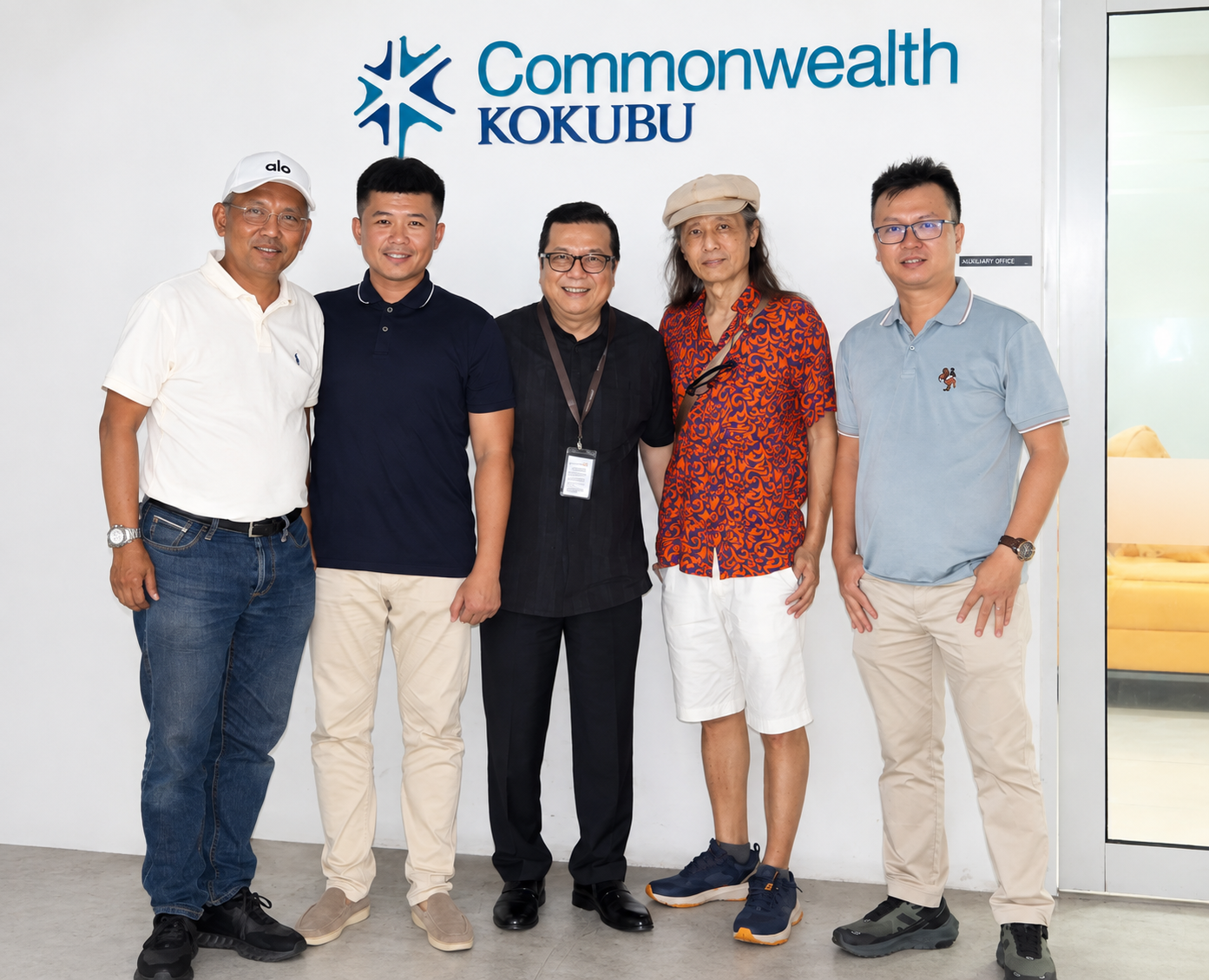
As part of its business visit to Singapore, Halal Hub Vietnam (HHV) visited Commonwealth Kokubu Logistics (CKL), a company specializing in temperature-controlled logistics and food supply chain solutions. The visit provided valuable insights into multi-temperature warehousing, automated storage technologies, and modern supply chain management, while opening up potential opportunities for collaboration in Halal food logistics between Vietnam, Singapore, and other ASEAN markets.
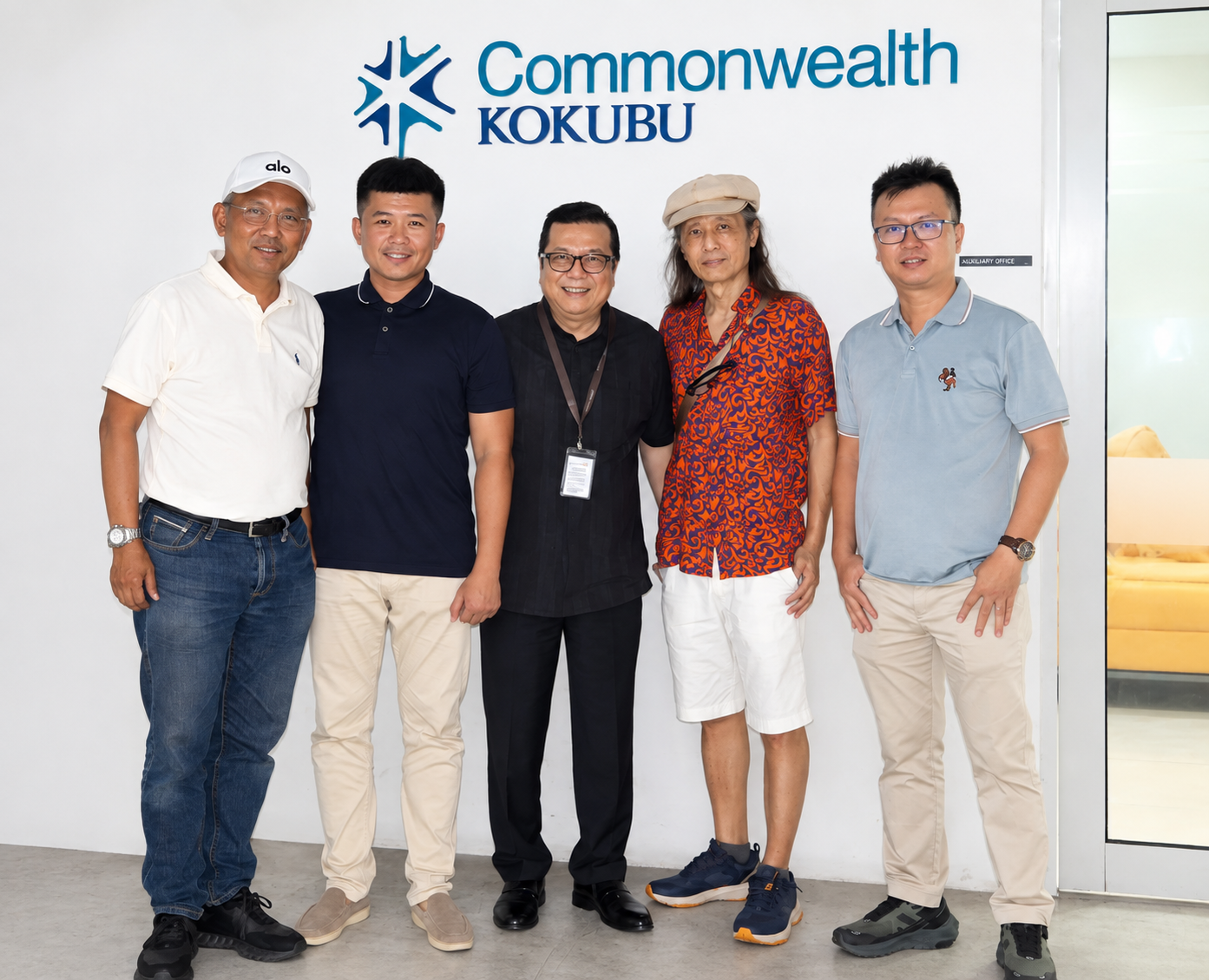
1. Overview of the Visit to Commonwealth Kokubu Logistics in Singapore
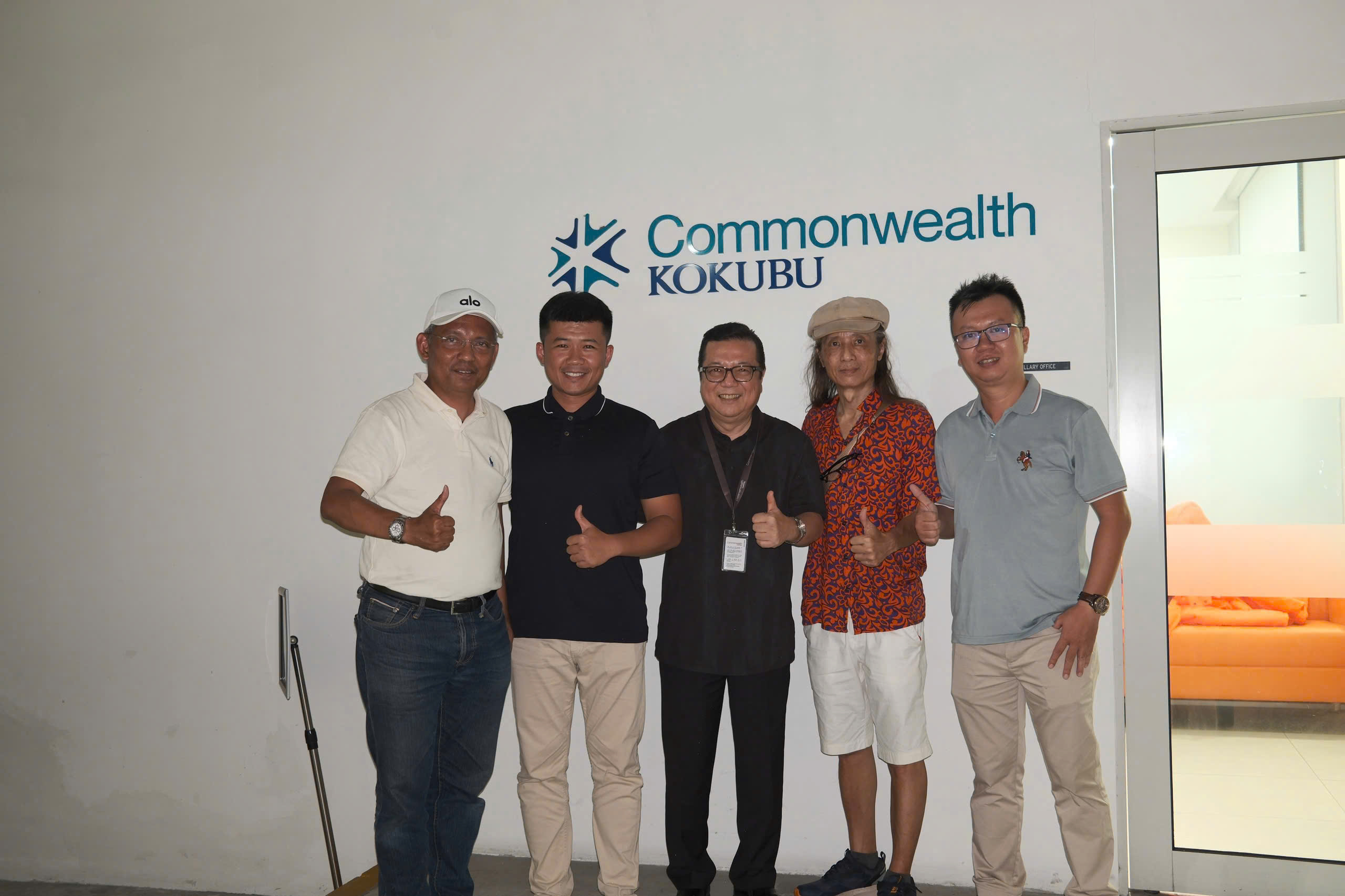
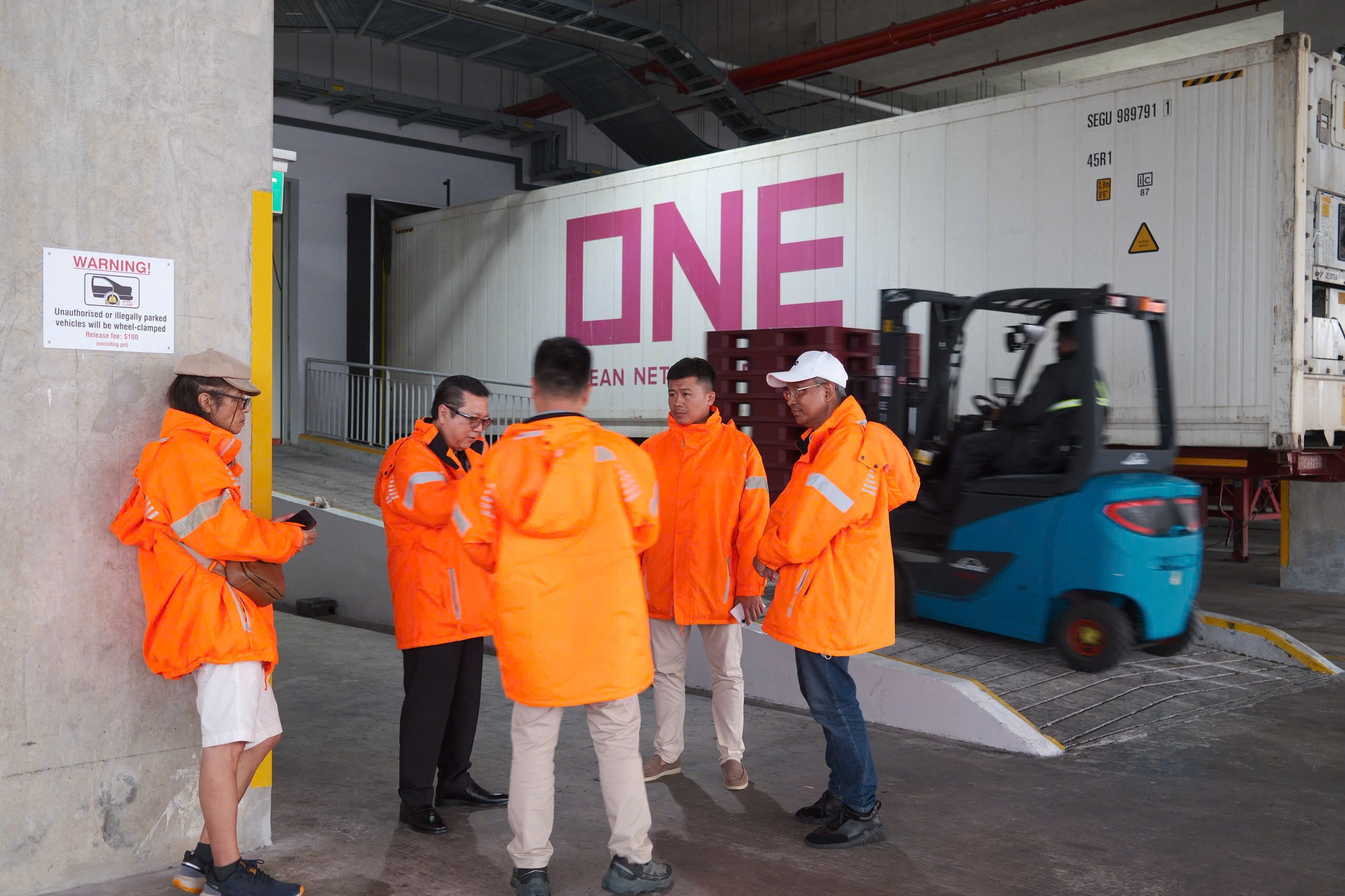
As part of its ongoing efforts to strengthen international partnerships and explore development models for the Halal ecosystem, the Halal Hub Vietnam delegation visited Commonwealth Kokubu Logistics (CKL) in Singapore, accompanied by Dr. H. Zuraimi Jumaat and Mr. Lon.
Commonwealth Kokubu Logistics specializes in logistics and food supply chain management, providing integrated storage, preservation, and distribution solutions under various temperature conditions.
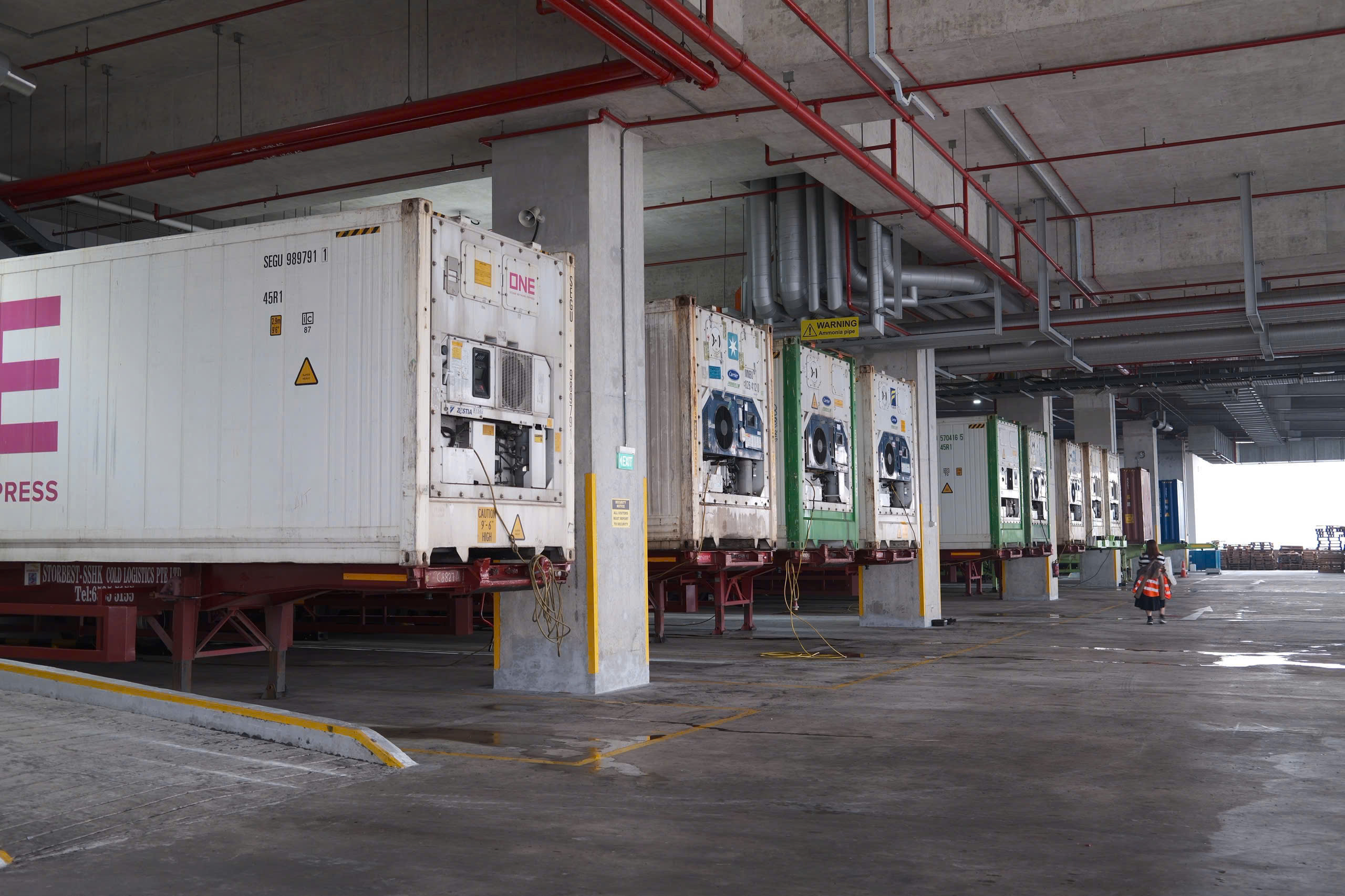
One of the highlights of the visit was CKL's multi-temperature logistics facility, which features a vertically integrated warehouse design incorporating different storage environments, including ambient, temperature-controlled, chilled, and frozen storage areas.
The delegation also explored the company's automated storage and retrieval systems, which are designed to optimize warehouse space, improve inventory management efficiency, and reduce the need for employees to work directly in extremely low-temperature environments.
For Halal Hub Vietnam, the visit provided an opportunity not only to learn about advanced logistics technologies but also to explore potential solutions for improving food storage, transportation, and distribution in line with the development of Vietnam's Halal ecosystem.
Through this engagement, HHV aims to facilitate connections among food manufacturers, logistics service providers, distribution networks, and international partners, contributing to the gradual development of cross-border Halal food supply chains.
2. Commonwealth Kokubu Logistics: A Modern Food Logistics Model in Singapore
Commonwealth Kokubu Logistics provides integrated logistics solutions focused on the storage and distribution requirements of food products under different temperature conditions.
According to information presented during the visit, CKL operates a network of two logistics facilities in Singapore, with a combined storage capacity of approximately 100,000 pallets.
Its warehousing infrastructure accommodates various categories of goods, including ambient, temperature-controlled, chilled, and frozen products.
In addition to warehousing, the company provides inventory management, customs clearance support, distribution, and integrated logistics services to meet the needs of businesses operating within the food supply chain.
One of the distinguishing features of CKL's operating model is its ability to integrate multiple logistics functions within a coordinated system.
Rather than focusing solely on storage, this model connects different stages of logistics operations, from receiving and preserving goods to inventory management and product distribution.
For the food industry, particularly products requiring strict temperature control, maintaining continuity throughout the supply chain plays an important role in preserving product quality and improving operational efficiency.
This was one of the key areas of interest for the Halal Hub Vietnam delegation during its visit to CKL.
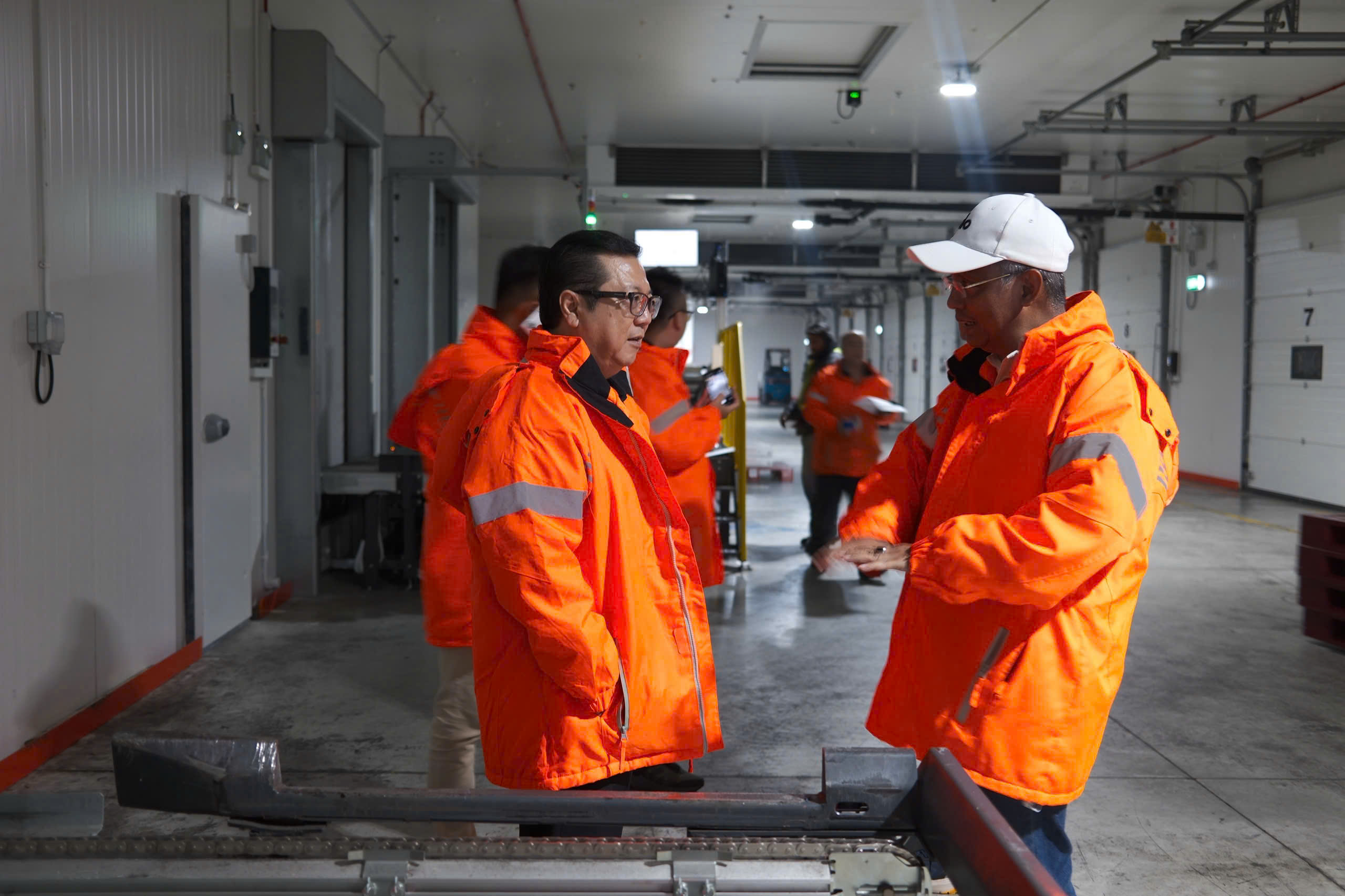
3. Exploring the Multi-Temperature Logistics Facility at 8 Jalan Besut
One of Commonwealth Kokubu Logistics' notable facilities is its food logistics center located at 8 Jalan Besut, Singapore.
According to information presented during the visit, the facility stands over 100 meters tall, has a total floor area of approximately 47,495 square meters, and offers storage capacity for up to approximately 90,000 pallets.
The five-story building incorporates multiple temperature-controlled storage zones designed to accommodate the preservation requirements of different product categories.
Optimizing Storage Capacity Through Vertical Warehouse Design
Singapore has limited land resources, while the continued development of logistics infrastructure requires efficient use of available space.
In this context, CKL's vertically integrated warehouse model represents an innovative approach to logistics facility development.
Instead of expanding warehouse capacity horizontally, the company utilizes vertical space to increase storage density.
This approach allows multiple temperature-controlled storage areas to be integrated within a single facility while supporting efficient space utilization and warehouse management.
For locations where land costs are high or space for logistics development is limited, high-rise warehousing represents a potential solution worth considering in infrastructure planning and investment.
Multi-Temperature Storage for Diverse Food Preservation Requirements
Another notable feature of CKL's logistics center is its ability to accommodate different storage conditions within a single integrated facility.
The warehouse includes dedicated areas for products stored at ambient temperatures, as well as goods requiring chilled or frozen environments.
For the food industry, maintaining appropriate storage conditions is essential for preserving product quality, minimizing spoilage, and maintaining product shelf life.
In particular, frozen food products require suitable temperature conditions throughout storage, transportation, and distribution.
Integrating multiple temperature zones within a single logistics center enables businesses to accommodate a diverse range of products while responding more flexibly to customer requirements.
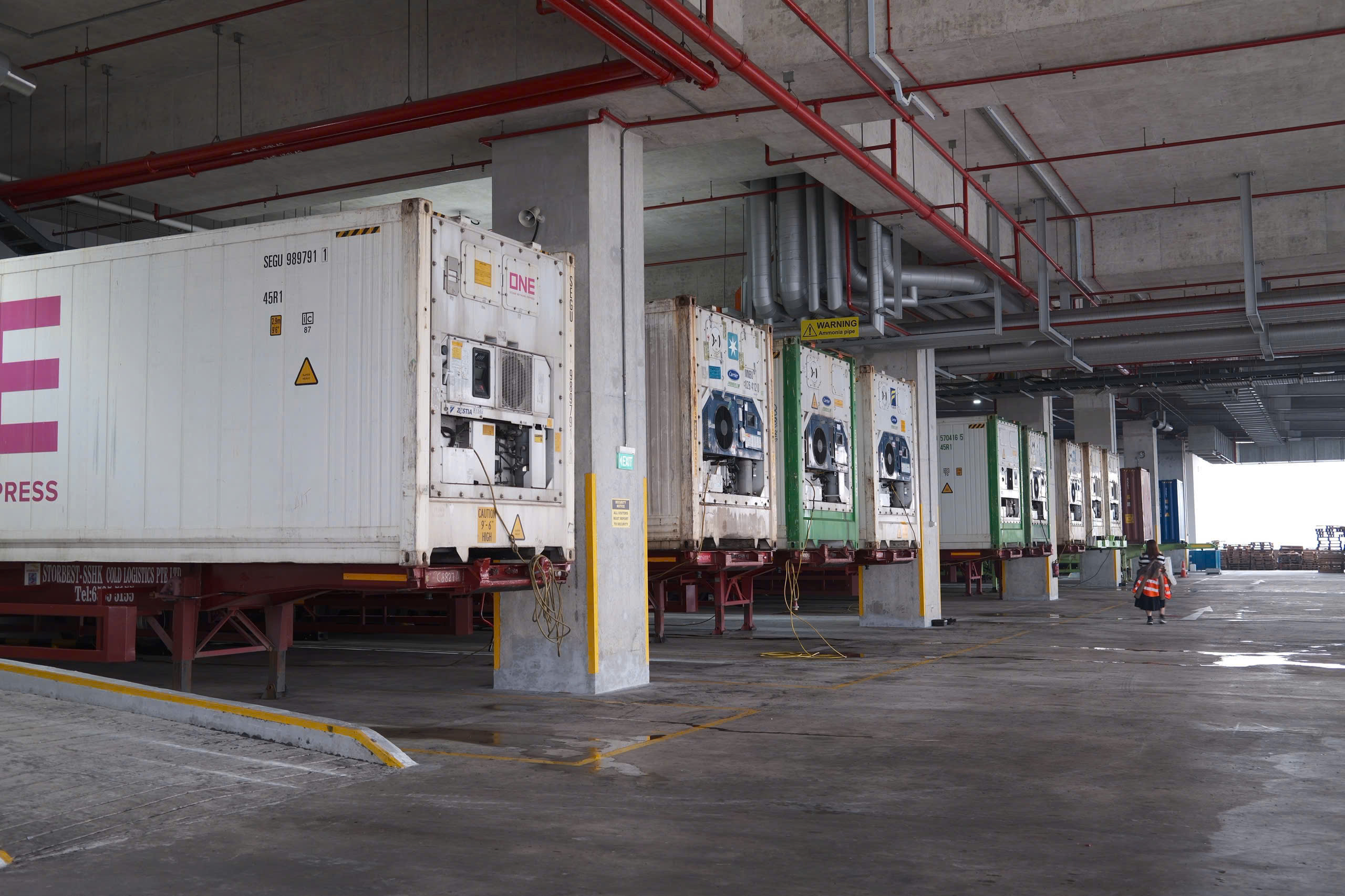
4. Automated Warehousing Technology: Improving Cold Chain Efficiency and Operations
One of the most significant areas of interest for the Halal Hub Vietnam delegation was Commonwealth Kokubu Logistics' automated storage and retrieval system.
According to information presented during the visit, the uppermost level of the logistics center at 8 Jalan Besut is equipped with an automated storage and retrieval system approximately 45 meters high.
This system automates the movement of goods into designated storage locations and retrieves them according to operational requirements.
Improving Storage Density and Inventory Management Accuracy
Automated storage and retrieval systems enable businesses to make efficient use of warehouse space, particularly in facilities with substantial vertical storage capacity.
By integrating automated equipment with warehouse management systems, businesses can organize storage and retrieval operations through standardized processes.
These solutions can improve inventory location accuracy, reduce manual handling, and enhance overall operational efficiency.
For large-scale logistics centers, automation also supports the efficient handling of significant volumes of goods while maintaining effective inventory control.
Reducing Human Exposure to Extremely Low-Temperature Environments
During the visit, the HHV delegation paid particular attention to the application of automated equipment in frozen storage areas.
Working in sub-zero environments presents specific challenges related to occupational safety, protective equipment, and the duration of employees' exposure to extremely low temperatures.
The use of automated machinery can reduce the need for personnel to perform storage and retrieval tasks directly inside frozen warehouses.
In addition to improving operational efficiency, this approach can contribute to better working conditions and support the modernization of cold storage management.
These practical insights may be valuable for Vietnamese businesses considering investments in cold storage infrastructure and food logistics centers.
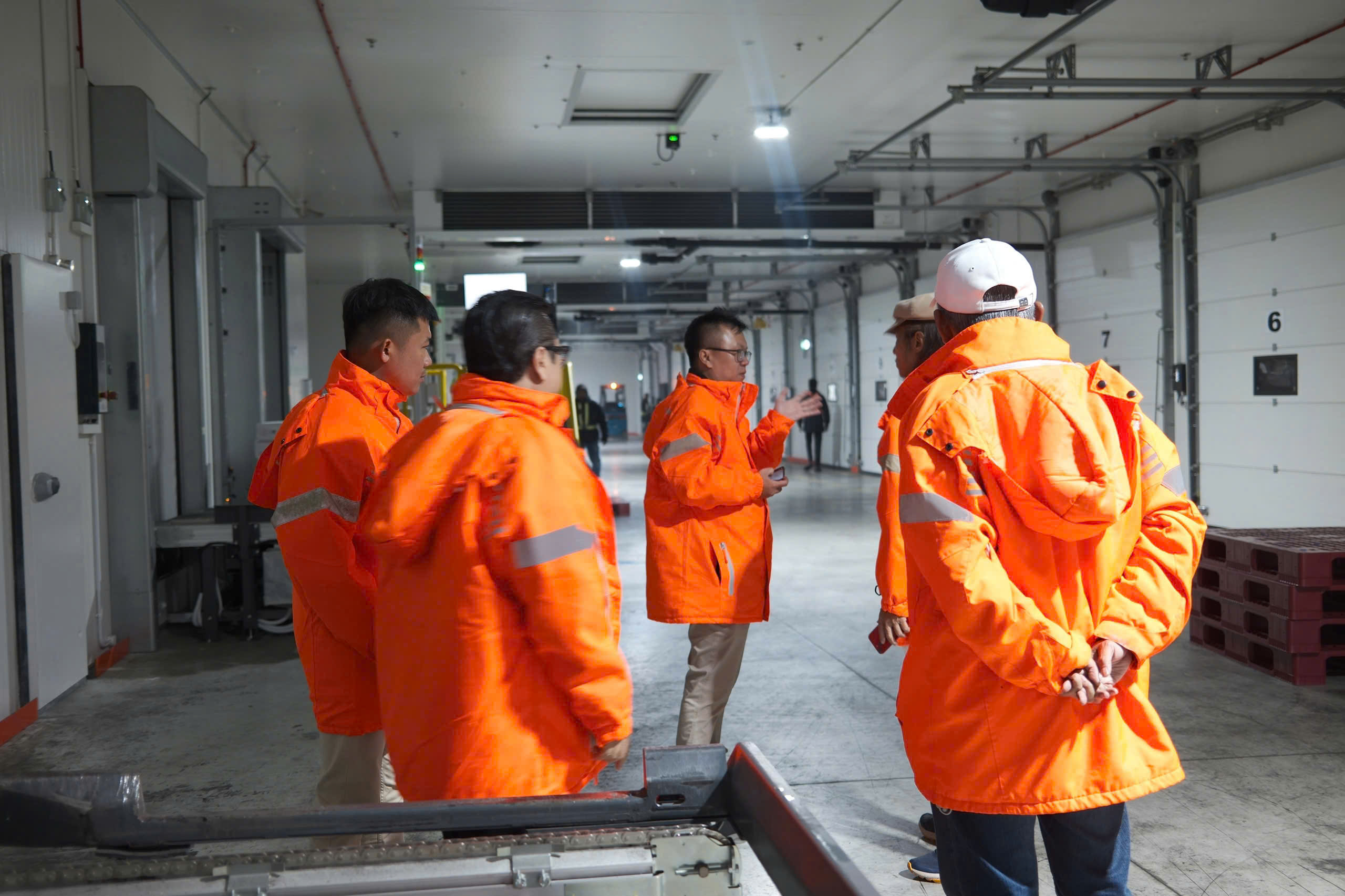
5. The Role of Cold Chain Logistics in Developing the Halal Food Ecosystem
For Halal Hub Vietnam, the visit to Commonwealth Kokubu Logistics provided valuable insights into the importance of logistics infrastructure in developing a modern and integrated food ecosystem.
Within the Halal food supply chain, compliance with requirements relating to ingredients and manufacturing processes is essential. However, maintaining product integrity extends beyond the production stage.
Storage, warehousing, transportation, and distribution must also be appropriately managed to preserve product quality and meet applicable Halal requirements.
Maintaining Halal Integrity Throughout the Supply Chain
For Halal food businesses, preventing cross-contamination with non-Halal ingredients or products is an important consideration throughout logistics operations.
This requires appropriate management procedures for receiving, classifying, storing, handling, and transporting goods.
Depending on the applicable Halal standards, businesses may need to implement measures such as product segregation, equipment and vehicle controls, storage area sanitation, and relevant documentation management.
A logistics provider handling both Halal and non-Halal products should not automatically be considered a Halal-certified logistics provider.
Compliance must be assessed according to the specific services, operating procedures, certification scope, and applicable Halal standards.
Integrating Cold Chain Management, Traceability, and Logistics Operations
Beyond Halal compliance, food logistics systems must also maintain appropriate storage conditions and ensure effective management of product information throughout the supply chain.
Integrating temperature monitoring, inventory management, and traceability solutions can help businesses track product conditions across different stages of storage and distribution.
For food exporters, these solutions may contribute to improved quality management, reduced transportation risks, and greater alignment with the requirements of international trading partners.
From a Halal ecosystem development perspective, suitable logistics infrastructure plays an important role in connecting food production, certification, storage, and distribution with end-consumer markets.
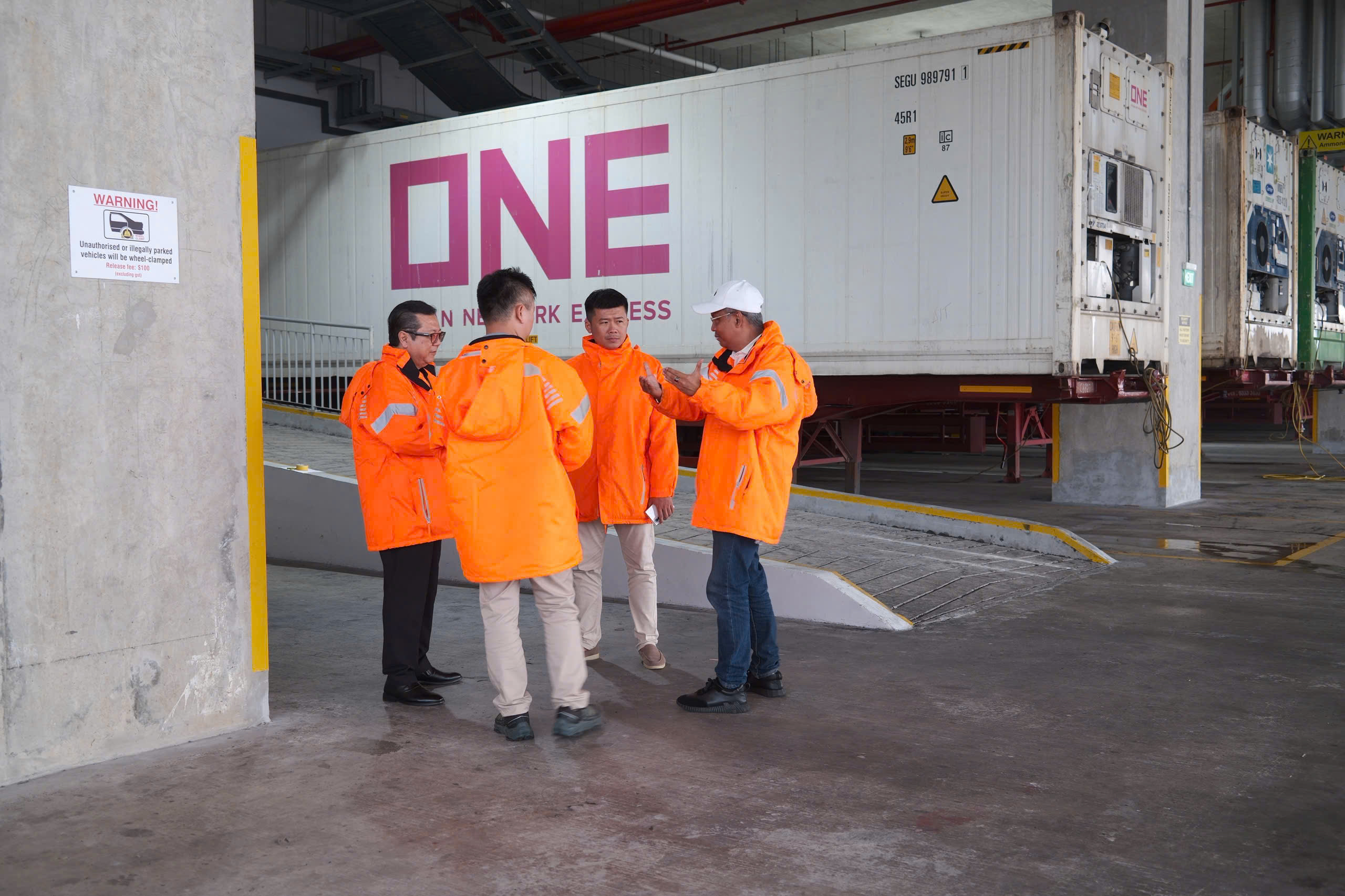
6. Potential Collaboration Opportunities Between Commonwealth Kokubu Logistics and Halal Hub Vietnam
Following the visit to Commonwealth Kokubu Logistics, Halal Hub Vietnam identified potential opportunities to facilitate connections between CKL and businesses within its Halal ecosystem in Vietnam and the broader ASEAN region.
These opportunities may include strengthening food supply chains, exchanging knowledge on modern logistics infrastructure, and expanding international distribution networks.
Connecting Vietnamese Halal Food Manufacturers with International Logistics Networks
Halal Hub Vietnam seeks to support domestic food manufacturers in accessing international business networks, including providers of storage, transportation, and distribution services.
For businesses planning to export Halal food products, connecting with logistics partners experienced in cold chain management may help improve their ability to access international markets.
Singapore's strategic position within regional trade and logistics networks also creates opportunities to explore supply chain connections between Vietnam, Singapore, and other ASEAN markets.
Supporting Restaurants, Hotels, and Food Distribution Networks
In addition to food manufacturers, restaurants, hotels, and food distributors require reliable supply chains capable of maintaining appropriate storage and transportation conditions.
By exploring potential connections with international logistics partners, HHV aims to help businesses within its ecosystem identify supply chain solutions suited to their operational requirements.
This approach may also contribute to the development of Halal dining services and Muslim-friendly tourism in Vietnam.
Exploring Modern Logistics and Cold Storage Development Models
Practical insights from CKL's multi-temperature warehousing model and automated storage systems may also provide useful references for Vietnamese businesses considering investments in logistics infrastructure.
The application of automation technologies, vertical storage optimization, and integrated warehouse management systems may be explored when developing food logistics centers of appropriate scale.
However, the feasibility of implementing these solutions should be evaluated based on actual market demand, investment requirements, operating costs, and the technical specifications of individual projects.
7. Towards the Development of Cross-Border Halal Value Chains
One of Halal Hub Vietnam's strategic directions is to strengthen connections among different participants in the Halal ecosystem, including manufacturers, certification bodies, logistics service providers, distributors, and consumer markets.
Within this framework, logistics serves as a critical link connecting the various stages of the value chain, enabling products to move from manufacturing facilities to end consumers through appropriate storage and distribution systems.
Production → Halal Certification → Storage → Logistics → Distribution → Consumer Markets
By strengthening international connections with partners such as Commonwealth Kokubu Logistics, HHV aims to explore practical solutions that can help Vietnamese businesses improve their participation in regional Halal food supply chains.
In the long term, combining domestic manufacturing capabilities, appropriate certification systems, modern logistics infrastructure, and international distribution networks may create opportunities for Vietnamese products to reach a broader range of markets.
This represents an important area of interest for Halal Hub Vietnam as it continues to promote international cooperation and the development of a Halal ecosystem connected to global value chains.
8. Conclusion: Strengthening International Partnerships to Advance Vietnam's Halal Supply Chain
The visit to Commonwealth Kokubu Logistics in Singapore represents a meaningful step in Halal Hub Vietnam's efforts to explore modern logistics models and strengthen international connections.
Through firsthand exposure to multi-temperature warehousing, frozen storage facilities, and automated storage technologies, the HHV delegation gained valuable insights into the role of logistics infrastructure in food preservation, inventory management, and distribution.
In particular, CKL's high-rise warehouse model and automated storage systems demonstrate approaches worth exploring for optimizing space utilization, improving operational efficiency, and developing modern cold chain infrastructure for the food industry.
For the Halal ecosystem, effective connections among production, certification, storage, logistics, and distribution are essential to supporting businesses in maintaining product quality and expanding market access.
Halal Hub Vietnam looks forward to continuing its efforts to strengthen international engagement, facilitate business connections, and explore potential collaboration opportunities with global partners. Through these initiatives, HHV aims to support Vietnamese enterprises in accessing suitable logistics solutions, enhancing their participation in Halal supply chains, and gradually strengthening Vietnam's position within ASEAN and global food trade networks.